Basant Panchami Festival – A Celebration of Wisdom, Spring & Color in India
Basant Panchami, also known as Vasant Panchami, marks the onset of spring in India and is celebrated with prayers to Goddess Saraswati, the Hindu deity of knowledge, wisdom, art, and music. In 2027, Basant Panchami falls on Thu, 11 Feb, 2027 and will be observed with great enthusiasm in Jaipur, Delhi, Varanasi, West Bengal, and many parts of North India.
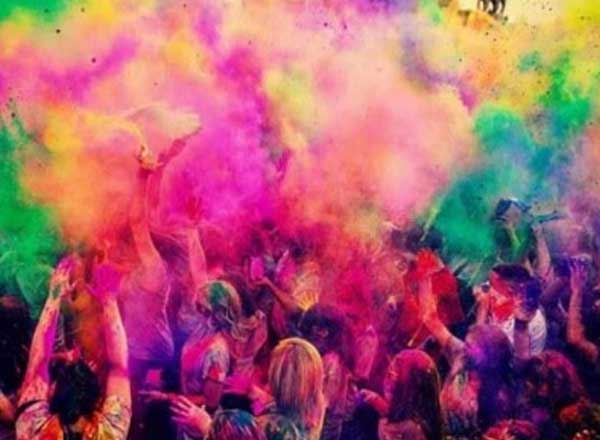
This festival is deeply spiritual yet light-hearted—an invitation to embrace learning, freshness, creativity, and the optimism of a new season. Dressed in bright yellow attire, devotees participate in Saraswati Puja, fly kites, cook yellow-themed dishes, and engage in cultural programs to honor learning and renewal.
Rituals and Significance
Basant Panchami is rooted in ancient Hindu traditions, particularly those honoring Goddess Saraswati, who symbolizes intellect, music, learning, and purity. On this day, temples, schools, and homes erect small altars or shrines dedicated to the deity, often featuring her idol seated on a white lotus, holding a veena (musical instrument), a book, and prayer beads.
Devotees—especially students, artists, musicians, and writers—wake up early, bathe, and dress in shades of yellow, which represents the blooming mustard fields and the vibrancy of life. The color is believed to bring energy, clarity, and positivity. Saraswati Vandana (devotional hymns) are sung, and children are encouraged to begin their educational journey with their first words or letters on this auspicious day—a ceremony known as Aksharabhyasam or Vidyarambham.
Celebrations Across Cities
Jaipur
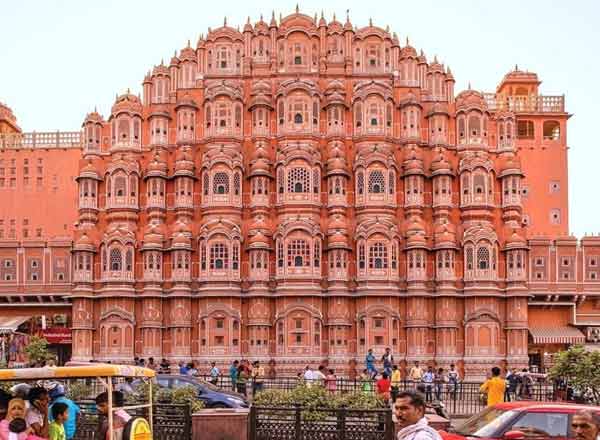
In the Pink City, Saraswati Puja is celebrated in schools, colleges, and temples with great devotion. The city also embraces kite flying, where rooftops come alive with colorful kites and the shouts of “Woh kaata!” echo through the streets. Local sweet shops offer boondi ladoos, kesari rice, and saffron-flavored treats that match the yellow theme of the festival.
Varanasi
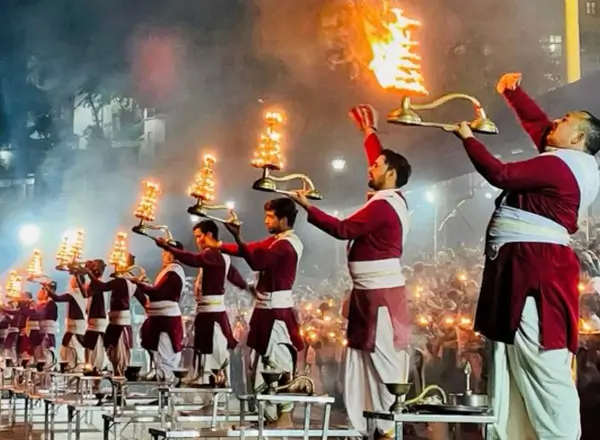
One of the spiritual capitals of India, Varanasi observes Basant Panchami with rituals along the Ganga ghats. Temples perform elaborate pujas, and the Benaras Hindu University (BHU) becomes a center for Saraswati worship, music recitals, and poetry readings.
Kolkata
In West Bengal, the festival is known as Saraswati Pujo and is one of the most beloved religious events for students. People install beautiful idols of the goddess in schools, homes, and pandals. It’s customary to abstain from writing or reading on this day as a mark of respect, and to offer pens, books, musical instruments, and even gadgets at the goddess’s feet.
Modern Relevance
Basant Panchami has evolved with time while preserving its deep cultural meaning. Urban celebrations now include community potlucks, art competitions, literary events, and digital tribute concerts. Schools use the occasion to promote reading habits and cultural awareness among children.
More than ever, the festival represents a moment of hope - emerging from the fog of winter, welcoming new beginnings, and celebrating the power of knowledge and learning in a world that thrives on creativity and awareness.



 info@topindianholidays.net
 +91-8955000999