
Ranthambore Tour and Travel Guide

Where Rajasthan's Wilderness Comes Alive

Ranthambore is one of those rare places where history and wilderness exist side by side. Ancient fort walls rise above dense forests, quiet lakes reflect centuries-old ruins, and somewhere beyond the trees, a Bengal tiger moves silently through its natural habitat. Every safari here carries the excitement of the unexpected, making Ranthambore one of India's most celebrated wildlife destinations.

Situated in the Sawai Madhopur district of Rajasthan, Ranthambore National Park was once the private hunting ground of Jaipur's royal family. Today, it stands among the country's most successful wildlife conservation areas and is recognised for its healthy population of Royal Bengal Tigers. Visitors from around the world arrive here not simply to spot wildlife, but to experience one of India's finest protected landscapes.


A Landscape Shaped by Nature and History

Unlike many wildlife reserves, Ranthambore offers an extraordinary combination of natural beauty and historic heritage. Dry deciduous forests, open grasslands, rocky cliffs and peaceful lakes create an ever-changing landscape where wildlife thrives throughout the year.

Scattered across the park are ancient temples, abandoned hunting lodges and the imposing Ranthambore Fort, a UNESCO World Heritage Site that overlooks the surrounding forest. These reminders of Rajasthan's royal past give the park a character unlike any other safari destination in India.

Every drive through the reserve offers changing scenery, making each safari feel completely different from the last.


More Than a Tiger Safari

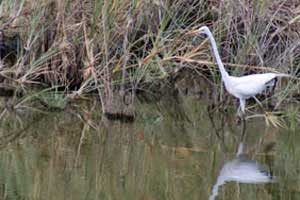
Although Ranthambore is internationally known for its Bengal Tigers, the park supports an impressive variety of wildlife. Leopards, sloth bears, striped hyenas, marsh crocodiles, jackals, sambar deer, nilgai, wild boar and hundreds of bird species all contribute to its rich ecosystem.

Wildlife photography has become one of the park's biggest attractions. Early morning safaris often begin with mist rising over the lakes, while evenings bathe the forest in warm golden light, creating exceptional opportunities for photographers and nature enthusiasts alike.

For many visitors, the most memorable moments are not always tiger sightings. Watching crocodiles bask beside Rajbagh Lake, hearing peacocks calling through the forest or seeing a herd of spotted deer move quietly across an open meadow often becomes just as rewarding.


A Favourite Among Wildlife Enthusiasts

Ranthambore attracts photographers, conservationists, birdwatchers and families looking to experience India's wildlife in its natural environment. Luxury jungle lodges, boutique safari camps and eco-friendly resorts around the park provide comfortable accommodation while maintaining close access to the safari gates.

Its location also makes Ranthambore easy to combine with Jaipur, Agra, Delhi, Bharatpur and Udaipur, making it a natural extension to both the Golden Triangle Tour and Rajasthan itineraries.


Best Time to Visit Ranthambore National Park

The park remains open from October to June, with each season offering a different wildlife experience.

The cooler months between October and February are ideal for comfortable safaris and birdwatching. From March to June, rising temperatures increase the chances of spotting tigers near water bodies, making this period especially popular with wildlife photographers.

Since animal movements are never predictable, every safari offers a unique experience regardless of the season.


A Journey Into India's Wild Heart

Ranthambore leaves a lasting impression not because wildlife sightings can be guaranteed, but because every safari carries a genuine sense of anticipation. The landscape changes with every turn, the sounds of the forest replace the noise of daily life, and every fresh paw print reminds visitors that they are sharing space with one of nature's most remarkable predators.

The attractions below introduce the park's most important safari zones, historic landmarks and wildlife experiences that have made Ranthambore National Park one of India's finest destinations for nature lovers.

Major tourist spots in Ranthambore Tour and Travel Guide

Ranthambore National Park

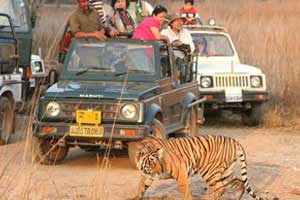
Ranthambore National Park is one of India's most famous wildlife destinations and a paradise for nature lovers and photographers. Located in the Sawai Madhopur district of Rajasthan, the park covers approximately 1,334 square kilometres, including its buffer zone. It is renowned for its healthy population of Royal Bengal Tigers and offers thrilling jeep and canter safaris throughout the year. Besides tigers, visitors can spot leopards, sloth bears, striped hyenas, jackals, crocodiles, marsh crocodiles, nilgai, sambar deer, chital, and over 300 species of birds. The park's forests, lakes, and ancient ruins create a unique wildlife experience, making Ranthambore National Park a must-visit destination in Rajasthan.

Ranthambore Fort

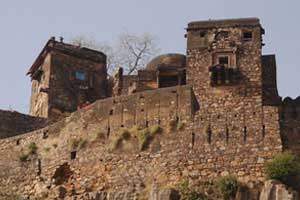
The Ranthambore Fort is a magnificent UNESCO World Heritage Site situated atop a hill inside Ranthambore National Park. Originally built around the 10th century by the Chauhan rulers, the fort has witnessed several historic battles involving Rajput kings and the Delhi Sultanate. Surrounded by the Aravalli and Vindhya mountain ranges, the fort offers breathtaking views of the forests, lakes, and wildlife below. Visitors can explore ancient temples, massive gateways, palaces, stepwells, and historic ruins within the fort complex. Rich in history and architecture, Ranthambore Fort is one of Rajasthan's most significant historical landmarks.

Trinetra Ganesh Temple

The Trinetra Ganesh Temple is one of the oldest and most sacred temples dedicated to Lord Ganesha in Rajasthan. Located inside Ranthambore Fort, the temple is believed to have been established during the reign of King Hammir Dev Chauhan in the 13th century. The unique idol depicts Lord Ganesha with three eyes (Trinetra), making this temple highly significant among devotees. Thousands of pilgrims visit every year, especially during Ganesh Chaturthi, to seek blessings for prosperity and success. It is also a tradition for devotees to send wedding invitations to Lord Ganesha at the Trinetra Ganesh Temple before their ceremonies.

Rajbagh Talao

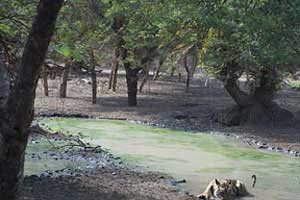
Rajbagh Talao is one of the three beautiful lakes located inside Ranthambore National Park and is considered among the best wildlife viewing spots in the reserve. Surrounded by dense forests, ancient ruins, and lush grasslands, the lake attracts numerous wild animals throughout the day. Visitors frequently spot Royal Bengal Tigers, leopards, crocodiles, sambar deer, spotted deer, nilgai, wild boars, and a variety of migratory birds near its shores. The picturesque scenery, especially during sunrise and sunset, makes Rajbagh Talao a favourite destination for wildlife photographers and safari enthusiasts visiting Ranthambore.

Kachida Valley

Kachida Valley is a scenic and rocky region located on the outskirts of Ranthambore National Park. Known for its rugged hills, dense vegetation, and dramatic landscapes, the valley is one of the best places to spot leopards and sloth bears, which usually avoid areas dominated by tigers. Visitors may also encounter hyenas, jackals, chinkaras, and several species of birds while exploring the valley during safari tours. The peaceful surroundings and rich biodiversity make Kachida Valley an ideal destination for wildlife lovers, photographers, and visitors seeking a less crowded safari experience in Ranthambore.

Jogi Mahal

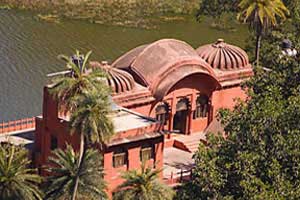
Jogi Mahal is a historic forest lodge located on the banks of the picturesque Padam Talao inside Ranthambore National Park. Originally built as a hunting lodge for the Jaipur royal family, it later served as a guest house for wildlife enthusiasts and government officials. The building is famous for its stunning location, offering spectacular views of the lake and surrounding forests. Nearby stands one of India's largest banyan trees, estimated to be several centuries old. Although entry inside the lodge is currently restricted, visitors admire the beauty of Jogi Mahal during wildlife safaris and sightseeing tours.

Handicraft specialties from Ranthambore

The Handicraft Specialties from Ranthambore beautifully reflect Rajasthan's rich artistic heritage and traditional craftsmanship. The local markets around Sawai Madhopur offer a wide range of handmade products, including wooden carvings, marble artifacts, miniature paintings, embroidered textiles, leather goods, blue pottery, decorative home décor, and handcrafted jewellery. Visitors can also purchase tiger-themed souvenirs inspired by the wildlife of Ranthambore National Park. These handcrafted items are created by skilled local artisans using traditional techniques passed down through generations. Shopping for Ranthambore handicrafts is an excellent way to support local communities while taking home authentic Rajasthani souvenirs.

Frequently Asked Questions

Do Not Miss Out On The Best-Discounted Deals For Our Top India Tour Packages.

Fill out this form with all the required information. Within 12 hours, we will provide you with a tailor-made itinerary at the best price.

Free, no-obligation quote — We'll send a personalised itinerary within 12 hours at the best price.

Nand Singh Rathore
Nand Singh
Rathore
Travel Expert
27+ yrs experience
Free Personal Consultation

Confused About Your
India Itinerary?

Whether you're planning your first India trip or returning to explore deeper — get honest, expert advice from someone who knows every corner of this country. No pressure, no cost.

No Obligation
100% Free Advice
Response in 12 hrs
Private & Custom Tours