
Khajuraho Tour and Travel Guide

A Masterpiece Carved in Stone

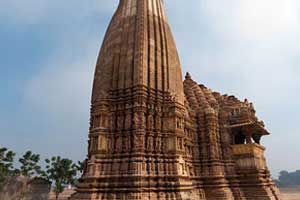
Khajuraho is one of those destinations where every sculpture tells a story. Long before visitors notice the intricate carvings, they are struck by the elegance of the temple silhouettes rising above carefully maintained gardens. Built more than a thousand years ago, these monuments continue to demonstrate a level of artistic skill that remains astonishing even today.

Located in the heart of Madhya Pradesh, Khajuraho was once part of the powerful Chandela Kingdom. Between the 10th and 12th centuries, the rulers commissioned a remarkable collection of temples that celebrated religion, philosophy, music, dance and everyday life. Although only a fraction of the original temple complex survives, the monuments that remain have earned worldwide recognition as a UNESCO World Heritage Site and rank among India's greatest architectural achievements.

Visitors often arrive with curiosity about the famous sculptures, yet they soon discover that Khajuraho offers far more than a single artistic theme. The temples represent extraordinary engineering, spiritual symbolism and centuries of cultural history preserved in sandstone.


The Legacy of the Chandela Dynasty

The Chandela rulers transformed Khajuraho into an important centre of religion, art and learning. Their temples were dedicated to Hindu and Jain traditions, reflecting a remarkable spirit of religious harmony that was uncommon for the period.

Every structure was carefully planned according to ancient architectural principles. Towering shikharas rise towards the sky, finely carved pillars support spacious halls and thousands of sculptures decorate the exterior walls with remarkable precision. Rather than depicting only gods and goddesses, the carvings portray musicians, dancers, warriors, animals, festivals and scenes from everyday life, providing an invaluable record of medieval Indian society.

Despite centuries of political change and natural weathering, the craftsmanship remains exceptionally well preserved, allowing visitors to appreciate details created more than a millennium ago.


More Than Its Famous Sculptures

The artistic reputation of Khajuraho is often linked to its celebrated sculptures, but they represent only a small part of the temples' overall design.

The Western Group of Temples, including the magnificent Kandariya Mahadeva Temple, showcases the finest examples of Nagara-style architecture. The Eastern Group reflects Jain traditions, while the Southern Group offers a quieter experience away from larger visitor crowds.

Walking through these temple complexes reveals how architecture, sculpture and spirituality were designed to work together. Every carving, doorway and tower contributes to a carefully balanced composition rather than standing as an isolated work of art.

For historians, architects, photographers and cultural travellers, Khajuraho provides one of the finest opportunities to understand the sophistication of medieval Indian temple design.


Culture Beyond the Temple Complex

Khajuraho remains a small and welcoming town where local traditions continue alongside its international reputation.

Traditional handicrafts, stone carvings and textile products are available in local markets, while cultural performances introduce visitors to the music and dance traditions of central India. Every year, the Khajuraho Dance Festival brings together leading classical dancers from across the country, creating a remarkable setting where performances take place against the illuminated temple backdrop.

Nature lovers can also explore nearby attractions such as Raneh Falls, the Ken Gharial Sanctuary and Panna National Park, adding wildlife and scenic landscapes to a heritage-focused itinerary.


Best Time to Visit Khajuraho

The most comfortable time to visit Khajuraho is between October and March, when cooler temperatures make exploring the temple complexes pleasant throughout the day.

Travellers visiting in February can also experience the internationally recognised Khajuraho Dance Festival, which celebrates India's classical dance traditions in one of the country's most remarkable heritage settings.


A Destination That Celebrates Human Creativity

Khajuraho is a place where architecture, sculpture and spirituality come together in extraordinary harmony. Every temple reflects centuries of artistic excellence, while every carved figure reminds visitors of the imagination and craftsmanship that flourished during the Chandela period.

The attractions featured below introduce the temples, museums and nearby natural landscapes that have made Khajuraho one of India's most important cultural destinations.

Major tourist spots in Khajuraho Tour and Travel Guide

Lakshman Temple

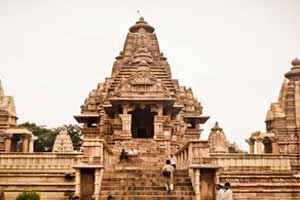
The Lakshmana Temple is one of the oldest and best-preserved temples in the Khajuraho Group of Monuments, a UNESCO World Heritage Site. Dedicated to Lord Vishnu, the temple was commissioned by Chandela ruler King Yashovarman and completed around 954 AD. Built on a high platform using fine sandstone, it is renowned for its intricate carvings, beautifully sculpted pillars, detailed friezes, and exquisite depictions of gods, goddesses, celestial beings, musicians, dancers, and daily life. The temple also features famous Khajuraho-style erotic sculptures, showcasing the artistic brilliance of the Chandela dynasty. Lakshmana Temple is a masterpiece of medieval Indian architecture.

Kandariya Mahadev

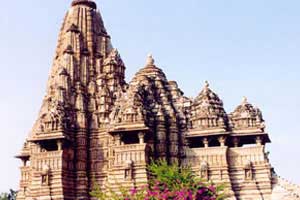
The Kandariya Mahadev Temple is the largest and most magnificent temple in the Khajuraho Group of Monuments. Built between 1025 and 1050 AD by the Chandela rulers, the temple is dedicated to Lord Shiva and represents the pinnacle of Nagara-style temple architecture. Standing over 30 metres high, it features an impressive shikhara surrounded by smaller spires, creating the appearance of a mountain peak. The temple is adorned with more than 870 intricately carved sculptures depicting gods, apsaras, musicians, celestial beings, and symbolic erotic art. Kandariya Mahadev Temple is considered the finest example of Chandela craftsmanship and devotion.

Vishwa Nath Temple

The Vishwanath Temple is one of the most remarkable temples in Khajuraho, dedicated primarily to Lord Shiva. Built around 1002 AD by King Dhanga of the Chandela dynasty, the temple showcases exceptional Nagara-style architecture with finely carved sandstone sculptures. Visitors can admire beautifully sculpted figures of Hindu deities, celestial dancers, musicians, animals, and scenes from everyday life. A magnificent Nandi statue sits proudly facing the main shrine, symbolizing Lord Shiva's divine vehicle. The intricate carvings and balanced architectural design make the Vishwanath Temple one of the most important monuments in the Western Group of Khajuraho temples.

Parshav Nath Temple

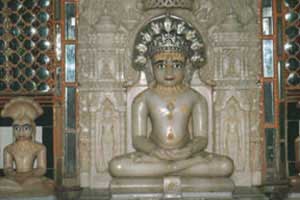
The Parshvanath Temple is the largest and finest Jain temple in Khajuraho and is dedicated to the 23rd Jain Tirthankara, Lord Parshvanath. Built during the 10th century, the temple is admired for its extraordinary stone carvings, elegant sculptures, and peaceful spiritual atmosphere. The walls feature beautifully crafted images of gods, apsaras, dancers, musicians, animals, and scenes depicting everyday life with remarkable artistic precision. The temple also reflects the harmonious coexistence of Jain and Hindu artistic traditions. Parshvanath Temple remains one of the most visited monuments in Khajuraho for devotees, historians, and architecture enthusiasts.

Vamana Temple

The Vamana Temple is a beautifully preserved Hindu temple dedicated to Lord Vishnu in his Vamana (dwarf) incarnation. Constructed during the late 11th century by the Chandela rulers, the temple is an excellent example of traditional Nagara-style architecture. Its exterior walls are richly decorated with finely carved sculptures of Hindu deities, celestial maidens, floral motifs, elephants, dancers, and symbolic scenes reflecting ancient Indian culture. The sanctum houses a graceful idol of Lord Vamana, representing Vishnu's fifth incarnation. The artistic excellence and peaceful surroundings make the Vamana Temple an important attraction among Khajuraho's Eastern Group of temples.

Chausath Yogini

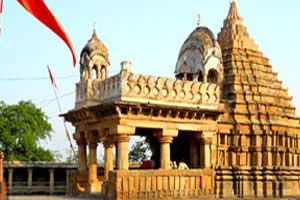
The Chausath Yogini Temple is one of the oldest surviving temples in Khajuraho and is believed to date back to the 9th century. Dedicated to the 64 Yoginis, the divine attendants of Goddess Kali, this open-air granite temple once contained 64 individual shrines arranged around a central courtyard. Today, only a few of these shrines remain, yet the temple continues to hold immense archaeological and religious significance. Unlike most Khajuraho temples, it is constructed entirely from granite rather than sandstone. The Chausath Yogini Temple offers visitors a fascinating glimpse into early Tantric traditions and medieval temple architecture.

Bijamandala Temple

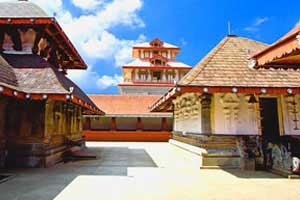
The Bijamandal Temple is an important archaeological site located near the Khajuraho temple complex. Believed to have been constructed during the 11th century by the Chandela rulers, the temple was originally dedicated to Lord Shiva. Although much of the structure remains in ruins today, excavations have revealed beautifully carved pillars, sculptures, architectural fragments, and a large white marble Shiva Lingam that highlight the temple's former grandeur. Historians believe construction may have remained incomplete due to political changes during that period. Bijamandal Temple provides valuable insights into the architectural evolution and rich cultural heritage of medieval Khajuraho.

Frequently Asked Questions

Do Not Miss Out On The Best-Discounted Deals For Our Top India Tour Packages.

Fill out this form with all the required information. Within 12 hours, we will provide you with a tailor-made itinerary at the best price.

Free, no-obligation quote — We'll send a personalised itinerary within 12 hours at the best price.

Nand Singh Rathore
Nand Singh
Rathore
Travel Expert
27+ yrs experience
Free Personal Consultation

Confused About Your
India Itinerary?

Whether you're planning your first India trip or returning to explore deeper — get honest, expert advice from someone who knows every corner of this country. No pressure, no cost.

No Obligation
100% Free Advice
Response in 12 hrs
Private & Custom Tours