Kanha National Park Travel Guide

India's Most Celebrated Forest Landscape

Some forests impress with dramatic scenery, while others leave a lasting memory because of the life they protect. Kanha National Park belongs to the second category. Wide grasslands stretch between dense sal forests, mist rises slowly above the meadows at sunrise and every safari offers the possibility of witnessing wildlife behaving exactly as nature intended.

Situated in the Maikal Hills of Madhya Pradesh, Kanha National Park is one of India's largest and best-managed tiger reserves. Its landscapes inspired writers, conservationists and wildlife photographers long before modern safari tourism developed. Many believe these forests influenced Rudyard Kipling's descriptions of the jungle in The Jungle Book, making Kanha one of the world's most recognisable wildlife destinations.

Today, the park is admired not only for its Royal Bengal Tigers but also for its remarkable conservation achievements. Kanha played a crucial role in protecting the endangered Barasingha (Hard Ground Swamp Deer), bringing the species back from the edge of extinction through decades of dedicated wildlife management.

For travellers seeking an authentic jungle experience, Kanha combines extraordinary biodiversity with carefully managed tourism that places conservation at the centre of every visit.


A Forest Shaped by Nature

Kanha's landscape changes continuously throughout the day.

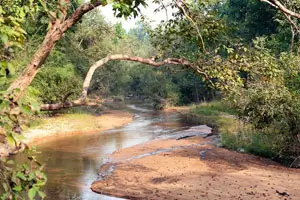
Morning sunlight filters through towering sal trees, open meadows attract large herds of deer and bamboo forests provide shelter for elusive predators. Seasonal streams, small lakes and rolling hills create habitats that support an impressive variety of wildlife.

The park is home to Royal Bengal Tigers, leopards, Indian wild dogs, sloth bears, gaur, sambar deer, chital, barking deer, Barasingha and hundreds of bird species. Every safari offers a different combination of sightings, making each visit unique regardless of the season.

Unlike smaller reserves, Kanha's vast wilderness allows visitors to appreciate not only individual animals but also the ecological balance that keeps the forest thriving.


Wildlife Conservation at Its Finest

Kanha is recognised internationally for its successful conservation programmes.

The recovery of the endangered Hard Ground Barasingha stands as one of India's greatest wildlife conservation achievements. Careful habitat restoration, scientific monitoring and responsible management have transformed the park into a model for wildlife protection.

Visitors often leave with a deeper understanding of how conservation benefits not only iconic species such as tigers but also countless birds, reptiles, insects and plant communities that depend upon a healthy ecosystem.

Professional naturalist guides enrich every safari by explaining animal behaviour, forest ecology and the ongoing efforts that preserve one of India's finest national parks.


A Safari Designed Around the Forest

Wildlife viewing in Kanha is never rushed.

Early morning jeep safaris begin as the forest awakens, while afternoon drives reveal different patterns of animal activity. The changing light creates exceptional opportunities for photography, particularly across Kanha's famous grasslands.

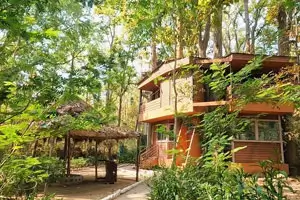
Luxury jungle lodges surrounding the park complement these experiences with comfortable accommodation, regional cuisine, nature walks and conservation-focused activities that allow visitors to connect more deeply with the surrounding landscape.

Whether your goal is wildlife photography, birdwatching or simply spending time in nature, Kanha provides an experience that remains memorable long after the safari ends.


Best Time to Visit Kanha National Park

Kanha National Park is generally open from October to June.

The period between October and February offers cool temperatures, lush landscapes and excellent conditions for birdwatching and photography.

During March to June, vegetation becomes less dense, increasing opportunities to observe wildlife around water sources, including tigers and other large mammals.

Each season presents a different perspective on the forest, making Kanha rewarding throughout its operating months.


A Forest Worth Returning To

Many travellers visit Kanha hoping to see a tiger. They often leave remembering much more—the quiet beauty of the grasslands, the calls of birds at dawn, the sight of Barasingha grazing peacefully and the sense of being surrounded by one of India's healthiest forest ecosystems.

Kanha rewards patience, curiosity and respect for nature. Every safari tells a different story, ensuring that no two visits are ever exactly alike.

The attractions featured below introduce the safari zones, wildlife experiences and conservation success stories that have established Kanha National Park as one of India's premier wildlife destinations.


Major tourist spots in Kanha National Park Travel Guide

Kanha Meadows: A Prime Wildlife-Viewing Area

Kanha Meadows are among the most recognisable landscapes inside Kanha National Park. These wide grasslands, surrounded by dense sal forests, create important feeding grounds for herbivores and provide visitors with clear views across the forest. Herds of spotted deer, sambar, gaur and the endangered hard-ground barasingha can often be observed grazing in and around these open areas.

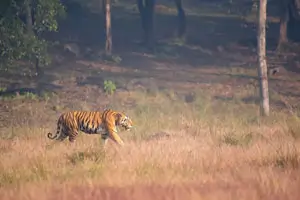
The meadows are also considered promising locations for wildlife photography because predators may follow prey animals towards the grasslands. Tigers are occasionally sighted near the forest edges, although no wildlife sighting can ever be guaranteed. Jackals, wild boars, langurs and numerous bird species may also appear during a safari.

Morning safaris usually offer pleasant temperatures, softer photography light and greater animal activity. Evening drives create warmer colours across the grasslands and can be equally rewarding. Access depends on the safari zone assigned through the official permit system, and visitors cannot explore the meadows independently.

Travellers should carry binoculars, neutral-coloured clothing and camera protection against dust. Remaining quiet and following the naturalist’s instructions improves the overall experience. Kanha Meadows represent the landscape most travellers associate with Kanha—open grasslands, forested horizons and the possibility of encountering Central India’s remarkable wildlife in its natural habitat.

Bamni Dadar: The Famous Sunset Point of Kanha

Bamni Dadar is one of the best-known viewpoints associated with Kanha National Park. Often called Sunset Point, this elevated area offers expansive views of the surrounding forests, grasslands and distant hills. Its open landscape creates a different experience from the dense sal forests found across much of the tiger reserve.

The area is particularly atmospheric during the late afternoon when the fading sunlight changes the colours of the forest. Visitors may also observe grazing animals such as gaur, sambar and spotted deer in the surrounding landscape. Birdwatchers can look for raptors and other forest species, while photographers value the wider views and warm evening light.

Access to Bamni Dadar is controlled through the park’s safari system and depends on the permitted route, current tourism regulations and instructions from the Forest Department. It should not be assumed that every safari vehicle will automatically visit the viewpoint. Travellers interested in seeing it should discuss the possibility with their driver and guide at the beginning of the safari.

Wildlife movement, road conditions and official route restrictions always take priority over a fixed sightseeing plan. Even when animal sightings are limited, Bamni Dadar offers an opportunity to appreciate the scale and natural beauty of the Kanha landscape. Its peaceful surroundings make it a memorable addition to a well-planned Kanha wildlife safari.

Kanha Museum: Understanding the Park’s Wildlife and Conservation

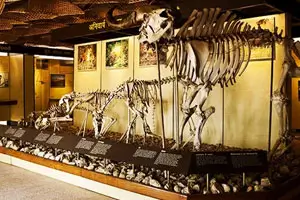
Kanha Museum helps visitors understand the natural history, biodiversity and conservation importance of Kanha National Park. Maintained by the Forest Department, the museum presents information about the park’s forests, wildlife species, ecological systems and local communities.

Exhibits may include animal skeletons, preserved specimens, maps, photographs and displays explaining the behaviour and habitats of species found within the reserve. Visitors can learn about tigers, leopards, deer, reptiles, birds and the different vegetation types that support Kanha’s wildlife. The museum also introduces the conservation story of the hard-ground barasingha, a species closely associated with Kanha’s identity.

Visiting the museum is particularly valuable for families, students and first-time safari travellers. It provides context that helps visitors recognise animal tracks, habitats and conservation challenges during their forest drives. The information also demonstrates why responsible tourism, controlled safari routes and habitat protection are essential.

The museum is situated within the park’s tourism landscape, and access can depend on the visitor’s safari route and current Forest Department arrangements. Opening conditions should therefore be confirmed locally rather than assumed. When accessible, it can be combined with a scheduled safari instead of treated as a completely separate city attraction. Kanha Museum adds educational value to the wildlife experience and helps visitors look beyond tiger sightings to understand the reserve as a complete ecosystem.

Shravan Tal: A Forest Pond Connected with the Ramayana

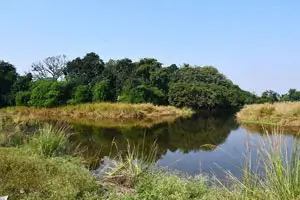
Shravan Tal is a small waterbody inside Kanha National Park that combines natural beauty with a well-known story from the Ramayana tradition. According to local belief, the pond is connected with Shravan Kumar, the devoted son who carried his visually impaired parents on a pilgrimage.

The story recounts that Shravan approached the water to fill a vessel for his parents. King Dasharatha, believing the sound near the pond came from an animal, released an arrow and accidentally killed him. The place is consequently remembered through the name Shravan Tal, while nearby references in the forest also preserve elements of the legend.

From a wildlife perspective, water sources are important because animals may approach them to drink, especially during warmer and drier periods. Depending on the season and time of day, visitors may observe deer, langurs, birds or other forest species in the surrounding area. Tiger sightings remain entirely dependent on natural movement and cannot be assured.

Shravan Tal can only be visited as part of an authorised safari route when permitted by park officials. Visitors must remain inside the designated vehicle and avoid making noise or disturbing wildlife. The site adds a cultural dimension to the Kanha experience, connecting the protected forest landscape with one of India’s most enduring stories about devotion, duty and unintended tragedy.

Lapsi Kabar: A Memorial Within the Kanha Forest

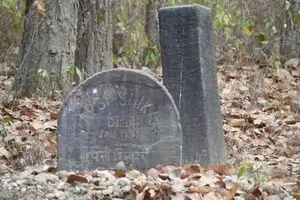
Lapsi Kabar is a small but historically interesting landmark inside the Kanha landscape. The site is associated with a forest guide and hunter named Lapsi, who is said to have lost his life while confronting a tiger in an attempt to protect the people accompanying him. A memorial was established at the location in recognition of his courage.

Unlike Kanha’s open meadows or wildlife-viewing areas, Lapsi Kabar is significant because of the human story attached to the forest. It reminds visitors that people working in wilderness areas historically faced considerable risks and that the relationship between local communities, guides and wildlife has evolved over time.

The surrounding forest may also provide opportunities to observe birds, deer, langurs and signs of larger animals. However, visitors should not treat the memorial as a guaranteed tiger-sighting location. Wildlife encounters depend on animal movement, weather, season and the specific route followed during the safari.

Access to Lapsi Kabar is possible only when it falls within the authorised safari route allocated to the visitor. Route availability may change according to Forest Department regulations or road conditions. A trained naturalist can explain the local account and place it within Kanha’s broader history. The site offers a quieter perspective on the reserve, highlighting the experiences and sacrifices of people whose lives were closely connected with the forest.

Sindoor Trees: A Distinctive Part of Kanha’s Flora

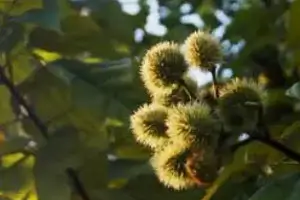
The Sindoor trees found in Kanha National Park introduce visitors to the botanical diversity of the reserve. These trees are popularly associated with the natural red-orange pigment traditionally compared with sindoor, the vermilion powder used in Indian cultural and religious practices.

For many safari visitors, attention remains focused on tigers and other large animals. The Sindoor trees encourage travellers to observe the smaller details that make Kanha a complete ecosystem. Its forests contain sal, bamboo, mixed deciduous vegetation, grasses, medicinal plants and numerous tree species that provide food and shelter for wildlife.

A knowledgeable guide or naturalist can help identify Sindoor trees and explain their local significance. Visitors should never remove bark, fruit, leaves or any other natural material from the protected forest. Photography and responsible observation are the appropriate ways to experience the trees.

Sightings depend on the safari route and the areas accessible during a particular visit. They should not be promoted as an independently accessible attraction outside the regulated park system. The trees are best understood as one feature within Kanha’s wider forest environment.

Observing the Sindoor trees can make a safari more educational, particularly for families, botany enthusiasts and travellers interested in indigenous plant knowledge. They demonstrate that Kanha’s importance extends beyond its famous mammals and includes the plant communities that sustain the reserve’s entire food chain.

Sonf Meadows: Grasslands Known for Barasingha Conservation

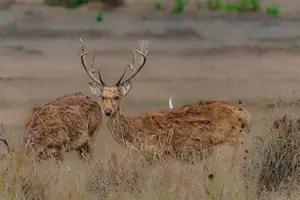
Sonf Meadows are among the ecologically important grassland areas in the Kanha landscape. These open meadows provide valuable habitat for grazing animals and are closely connected with the conservation story of the hard-ground barasingha, also known as the swamp deer.

Kanha is internationally recognised for helping protect this rare deer through habitat management and long-term conservation measures. The barasingha depends heavily on suitable grassland ecosystems, making meadows such as Sonf important for feeding, breeding and shelter. Visitors may also observe spotted deer, sambar, gaur, wild boars and various grassland birds in the surrounding area.

Open meadows can provide better visibility than dense forests, but wildlife sightings remain unpredictable. Tigers and other predators may move near grasslands while following prey, yet travellers should approach the safari as an ecosystem experience rather than expect a guaranteed big-cat encounter.

Sonf Meadows fall within Kanha’s regulated safari landscape, and access depends on the assigned zone, route availability and instructions from park authorities. Visitors must remain inside authorised vehicles and avoid calling animals or making unnecessary noise.

The meadows are especially rewarding for wildlife photographers and travellers interested in conservation. Seeing barasingha in their natural grassland habitat helps visitors understand how habitat protection—not merely individual animal protection—has supported the recovery of one of Central India’s most distinctive species.

Mukki Zone: A Rewarding Safari Landscape in Kanha

Mukki Zone is one of the principal tourism zones of Kanha Tiger Reserve and is known for its varied forest scenery and wildlife-viewing opportunities. Located towards the Balaghat side of the reserve, the zone contains sal forests, bamboo vegetation, grasslands, water sources and forest tracks that support a wide range of animals.

Visitors may encounter spotted deer, sambar, gaur, wild boar, langurs, jackals and numerous bird species. The zone also supports tigers, leopards, sloth bears and wild dogs, although sightings of predators depend entirely on natural movement and cannot be guaranteed. Tracks, alarm calls and the behaviour of prey animals often help trained guides interpret what may be happening deeper inside the forest.

Mukki Gate serves as an important entrance for travellers staying on this side of Kanha. Accommodation should be selected near the correct gate because travelling between different entry points can take considerable time. Safari permits must specify the applicable zone and should be booked through the authorised Madhya Pradesh Forest Department system.

Morning and evening safaris provide different lighting, temperatures and wildlife activity. Visitors should carry identification matching their permit and arrive at the gate well before the reporting time. Mukki Zone is suitable for both first-time visitors and experienced wildlife travellers, offering a balanced combination of forest scenery, biodiversity and the anticipation that defines every Kanha safari.

Frequently Asked Questions

Do Not Miss Out On The Best-Discounted Deals For Our Top India Tour Packages.

Fill out this form with all the required information. Within 12 hours, we will provide you with a tailor-made itinerary at the best price.

Free, no-obligation quote — We'll send a personalised itinerary within 12 hours at the best price.

Nand Singh Rathore
Nand Singh
Rathore
Travel Expert
27+ yrs experience
Free Personal Consultation

Confused About Your
India Itinerary?

Whether you're planning your first India trip or returning to explore deeper — get honest, expert advice from someone who knows every corner of this country. No pressure, no cost.

No Obligation
100% Free Advice
Response in 12 hrs
Private & Custom Tours