Jodhpur Tour and Travel Guide

Welcome to Jodhpur – Rajasthan's Blue City

Jodhpur is a city where towering forts, blue-painted houses and centuries of Marwar history create one of Rajasthan's most distinctive landscapes. Founded in 1459 by Rao Jodha, the city grew into the capital of the Marwar Kingdom and remains one of western India's most important heritage destinations. Dominated by the magnificent Mehrangarh Fort, Jodhpur reflects the courage, vision and architectural brilliance of the Rathore rulers, whose legacy continues to shape the city's identity.

Often included in a Rajasthan tour, Jodhpur offers a remarkable contrast between its imposing sandstone monuments and the lively streets of the old city. Beneath the fort, hundreds of blue homes spread across the historic quarter, giving Jodhpur the title of the Blue City. Combined with bustling markets, royal palaces, traditional craftsmanship and warm Rajasthani hospitality, the city offers an authentic experience that appeals to visitors throughout the year.


Why Visit Jodhpur?

A Jodhpur tour is ideal for travellers interested in history, architecture and Rajasthan's royal traditions. The city is home to some of the state's finest forts, museums and heritage buildings, while its lively markets and traditional neighbourhoods offer a closer look at everyday life in Marwar.

Jodhpur is equally popular with photographers, families and luxury travellers. Heritage hotels, restored royal residences and boutique properties provide comfortable accommodation, while carefully preserved monuments reveal stories of royal ceremonies, military victories and centuries of artistic achievement.

Its location also makes Jodhpur an excellent stop between Jaipur, Udaipur, Jaisalmer, Mount Abu and Ranakpur, allowing visitors to experience different regions of Rajasthan during one journey.


The Legacy of Marwar

The history of Jodhpur is closely linked with the Rathore dynasty, one of Rajasthan's most influential royal families. From the commanding walls of Mehrangarh Fort to the elegant Umaid Bhawan Palace, every landmark reflects the ambition and craftsmanship that defined the Marwar Kingdom.

Over the centuries, Jodhpur became an important trading centre connecting northern India with Gujarat and Central Asia. Merchants, craftsmen and royal patrons contributed to the city's prosperity, encouraging the growth of textile production, handicrafts, metalwork and traditional art forms that continue to flourish today.

Walking through the old city reveals narrow lanes, historic gateways and beautifully carved havelis that preserve the character of a city where history remains visible at every turn.


Culture, Markets and Local Traditions

Jodhpur is well known for its colourful markets filled with handcrafted leather products, bandhani textiles, wooden handicrafts, spices, antiques and traditional jewellery. Around the famous Clock Tower and Sardar Market, local traders continue family businesses that have served residents and visitors for generations.

Food plays an equally important role in the city's identity. Local specialities such as Mirchi Vada, Makhaniya Lassi, Dal Baati Churma and traditional Marwari cuisine remain favourites among visitors looking to experience authentic regional flavours.

Throughout the year, cultural festivals, folk music performances and religious celebrations bring additional energy to the city's historic streets, offering visitors a deeper understanding of Rajasthan's traditions.


Best Time to Visit Jodhpur

The most comfortable time for a Jodhpur holiday is between October and March, when pleasant weather makes sightseeing enjoyable. During these months, visitors can comfortably explore forts, palaces, gardens and local markets while also experiencing Rajasthan's vibrant cultural calendar.

The monsoon season brings occasional rainfall and slightly cooler temperatures, while summer months can be very warm during the daytime, making early morning and evening sightseeing more comfortable.


Jodhpur – Where Rajasthan's Royal History Lives On

Jodhpur is far more than its famous blue houses. It is a city where powerful forts overlook centuries-old neighbourhoods, where royal traditions continue to influence local culture and where every street reflects the heritage of the Marwar Kingdom. From magnificent architecture and traditional markets to authentic cuisine and remarkable hospitality, Jodhpur offers an experience that remains memorable long after the journey ends.

The attractions listed below highlight the most important places to visit in Jodhpur, helping you experience the city's remarkable history, royal legacy and cultural heritage during your visit.


Major tourist spots in Jodhpur Tour and Travel Guide

Mehrangarh Fort

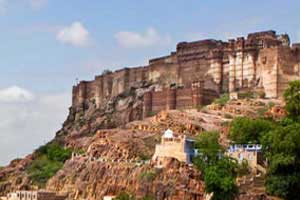
Mehrangarh Fort is one of the largest and most magnificent forts in India, standing proudly on a 400-foot-high rocky hill overlooking Jodhpur. Built by Rao Jodha in 1459, the fort is an architectural masterpiece featuring massive gates, impressive courtyards, intricate carvings, and beautifully decorated palaces. Visitors can explore famous attractions such as Moti Mahal, Phool Mahal, Sheesh Mahal, and the fort museum, which houses royal costumes, weapons, paintings, palanquins, and historical artifacts. The fort also offers breathtaking panoramic views of the Blue City, making Mehrangarh Fort one of the top tourist attractions in Jodhpur.

Umaid Bhawan

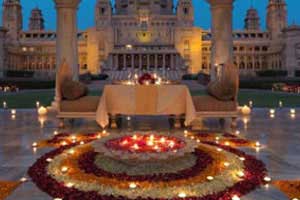
Umaid Bhawan Palace is one of the world's largest private residences and an iconic symbol of Jodhpur's royal heritage. Built between 1929 and 1943 by Maharaja Umaid Singh, the palace was constructed to provide employment during a severe famine. Designed in a magnificent blend of Art Deco and Indo-Colonial architecture, the palace features elegant domes, luxurious interiors, beautiful gardens, and grand halls. Today, one part serves as the residence of the royal family, another operates as a luxury heritage hotel, and the remaining section houses a fascinating museum displaying vintage cars, royal artifacts, and historical photographs.

Balsamand Lake

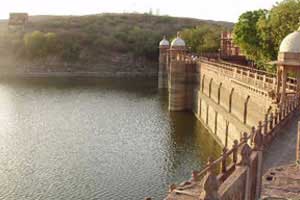
Balsamand Lake is a peaceful artificial lake located about 5 kilometres from Jodhpur on Mandore Road. Built in 1159 AD by Balak Rao Parihar, the lake was originally designed as a water reservoir for the local population. Today, it is a popular picnic destination surrounded by lush gardens, flowering trees, and beautifully landscaped grounds. Visitors can enjoy the serene atmosphere, birdwatching, photography, and scenic views of the calm waters. The nearby Balsamand Lake Palace, now a heritage hotel, adds to the charm of the location, making Balsamand Lake an ideal retreat for nature lovers and families.

Mandore Garden

Mandore Garden is one of the oldest historical attractions in Jodhpur and was once the capital of the Marwar kingdom before the establishment of Jodhpur. The beautifully maintained garden is famous for its magnificent cenotaphs dedicated to the Marwar rulers, ancient temples, lush greenery, and historical monuments. Visitors can also explore the Hall of Heroes, Government Museum, and the Temple of 33 Crore Gods. The peaceful surroundings, colourful gardens, and playful monkeys add to its charm. Mandore Garden offers a perfect combination of history, architecture, culture, and natural beauty for visitors of all ages.

Jaswant Thada

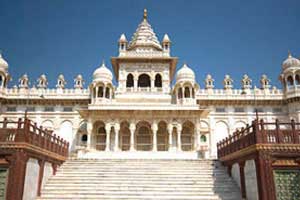
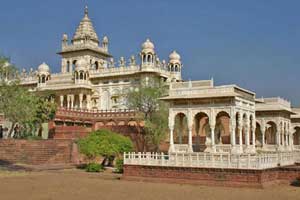
Jaswant Thada is a stunning white marble cenotaph built in memory of Maharaja Jaswant Singh II by Maharaja Sardar Singh in 1899. Often referred to as the "Taj Mahal of Marwar," the monument is admired for its delicate marble lattice work, intricate carvings, domes, and beautifully landscaped gardens. The peaceful surroundings create a calm atmosphere, making it an ideal place for relaxation and photography. Located near Mehrangarh Fort, the monument offers spectacular panoramic views of Jodhpur city and the nearby lake. Jaswant Thada remains one of the city's most elegant historical landmarks.

Jodhpur Government Museum

The Jodhpur Government Museum, located within Umaid Public Gardens, is one of the city's most important cultural attractions. Established to preserve Rajasthan's rich heritage, the museum houses an extensive collection of ancient sculptures, miniature paintings, coins, inscriptions, textiles, manuscripts, royal costumes, weapons, pottery, and archaeological artifacts. Visitors can also admire rare Jain sculptures, traditional handicrafts, historical photographs, and decorative objects that showcase the artistic excellence of the Marwar region. The museum provides valuable insights into Rajasthan's history, culture, and traditions, making the Jodhpur Government Museum an excellent destination for students, researchers, and history enthusiasts.

Achal Nath Temple

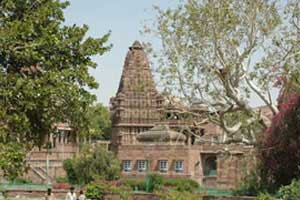
Achal Nath Temple is one of Jodhpur's oldest and most revered Hindu temples, dedicated to Lord Shiva. Built in 1531 by Queen Nanak Devi, the wife of Rao Ganga, the temple is an excellent example of traditional Rajasthani architecture. Constructed using locally sourced Chittar sandstone, the temple features beautifully carved pillars, ornate ceilings, detailed sculptures, and a peaceful spiritual atmosphere. Devotees visit throughout the year to offer prayers and seek blessings, especially during the festival of Mahashivratri. Achal Nath Temple is not only a significant religious site but also an important architectural and cultural landmark of Jodhpur.

Frequently Asked Questions

Do Not Miss Out On The Best-Discounted Deals For Our Top India Tour Packages.

Fill out this form with all the required information. Within 12 hours, we will provide you with a tailor-made itinerary at the best price.

Free, no-obligation quote — We'll send a personalised itinerary within 12 hours at the best price.

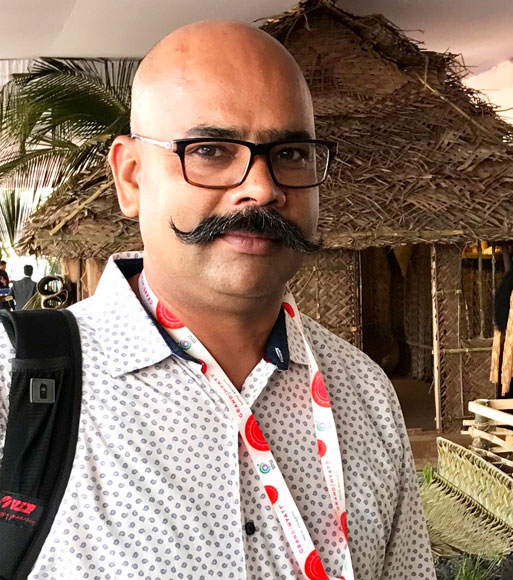
Nand Singh Rathore
Nand Singh
Rathore
Travel Expert
27+ yrs experience
Free Personal Consultation

Confused About Your
India Itinerary?

Whether you're planning your first India trip or returning to explore deeper — get honest, expert advice from someone who knows every corner of this country. No pressure, no cost.

No Obligation
100% Free Advice
Response in 12 hrs
Private & Custom Tours