
Jaipur Tour and Travel Guide

Welcome to Jaipur – Rajasthan's Royal Capital

Jaipur is a city that carries the legacy of Rajasthan's royal past with remarkable confidence. Founded in 1727 by Maharaja Sawai Jai Singh II, it was among India's first planned cities and today stands as a UNESCO World Heritage City. Better known as the Pink City, Jaipur is recognised for its magnificent forts, royal palaces, colourful bazaars, sacred temples and architectural excellence that continues to attract visitors from around the world.

For travellers planning a Jaipur tour, the city offers much more than historic monuments. Every neighbourhood reflects centuries of Rajput tradition, from craftsmen shaping gemstones by hand to families preserving age-old recipes and cultural customs. Jaipur remains one of the few cities where history is not confined to museums but continues to be part of everyday life.


Why Jaipur is One of India's Most Visited Destinations

Jaipur is one of the highlights of every Rajasthan tour and an essential stop on the famous Golden Triangle Tour with Delhi and Agra. Its location, excellent connectivity and remarkable collection of heritage sites make it one of the most popular destinations for first-time visitors to India.

The city appeals to every type of traveller. History lovers admire its royal architecture, photographers are inspired by its colourful streets and impressive forts, families enjoy its cultural attractions, while couples often choose Jaipur for its palace hotels, heritage experiences and romantic settings. Luxury travellers appreciate the city's world-class hospitality, restored royal residences and personalised experiences that combine comfort with authenticity.

Unlike many historic cities, Jaipur successfully balances its royal heritage with modern infrastructure. Elegant hotels, boutique properties, fine restaurants and carefully restored heritage buildings create an atmosphere that feels both historic and contemporary.


The Royal Heritage of Jaipur

Every chapter of Jaipur's history reflects the vision of its founder, Maharaja Sawai Jai Singh II. Designed according to traditional architectural principles, the city was planned with broad avenues, organised markets and magnificent public squares, setting a new standard for urban development in eighteenth-century India.

Over the centuries, Jaipur became an important centre for trade, astronomy, art and craftsmanship. Royal patronage encouraged the growth of gemstone cutting, jewellery making, textile printing, miniature paintings and blue pottery, many of which continue to thrive today. This living heritage is one of the reasons Jaipur remains one of the most rewarding destinations for travellers interested in Rajasthan's culture and traditions.


Culture, Markets and Everyday Life

The character of Jaipur extends far beyond its famous landmarks. Walking through the old city reveals bustling markets filled with handcrafted jewellery, colourful textiles, traditional footwear, marble artefacts and locally made handicrafts. Skilled artisans continue to practise techniques that have been passed from one generation to the next, giving visitors an opportunity to witness authentic craftsmanship.

Food is another important part of the city's identity. From traditional Rajasthani thalis and royal recipes to contemporary fine dining, Jaipur offers an excellent culinary scene that reflects both its royal history and local flavours. During festivals such as Gangaur, Teej and Diwali, the city becomes even more lively with decorated streets, cultural performances and religious celebrations that showcase Rajasthan's enduring traditions.


Best Time to Plan a Jaipur Tour

The most comfortable time to visit Jaipur is between October and March, when pleasant temperatures make sightseeing enjoyable throughout the day. Winter is also the season when many festivals, cultural events and outdoor activities take place, allowing visitors to experience the city at its finest.

Travellers visiting during the summer months can still enjoy Jaipur by planning sightseeing early in the morning and later in the evening, while the monsoon season adds a refreshing atmosphere to the surrounding Aravalli landscape.


Jaipur – A Journey Through Rajasthan's Royal Legacy

Whether you are planning your first visit to India or returning to experience Rajasthan in greater depth, Jaipur offers a memorable combination of history, culture and hospitality. Its royal forts, magnificent palaces, bustling bazaars and enduring traditions create an experience that is both authentic and rewarding.

Below, you will find the major tourist attractions in Jaipur, each offering a unique insight into the city's remarkable past and making your Jaipur travel guide complete with the most important places to visit during your stay.

Major tourist spots in Jaipur Tour and Travel Guide

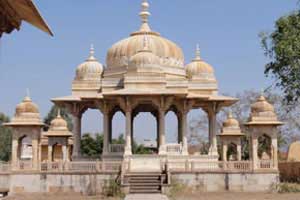
Gaitore

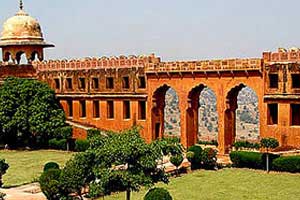
Gaitore Ki Chhatriyan is one of Jaipur's most beautiful yet lesser-known historical sites. Located on the road to Amber Fort, it served as the royal cremation ground of the Kachwaha Rajput rulers. The complex is famous for its intricately carved cenotaphs (chhatris), each dedicated to a former Maharaja of Jaipur. Built using marble and sandstone, the monuments feature delicate carvings, domes, pillars, and traditional Rajput architecture. Surrounded by the Aravalli Hills, Gaitore offers a peaceful atmosphere away from the city's crowds. It is an excellent destination for history enthusiasts, architecture lovers, and photographers looking to explore Jaipur's royal heritage.

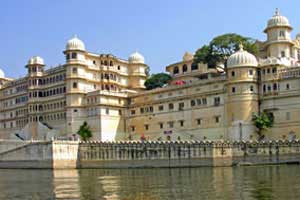
City Palace

City Palace is one of Jaipur's most iconic landmarks and a splendid example of Rajput and Mughal architecture. Built by Maharaja Sawai Jai Singh II in the early 18th century, the palace served as the royal residence of the Jaipur royal family. The palace complex includes beautiful courtyards, gardens, museums, galleries, and magnificent gateways such as the famous Peacock Gate. Visitors can explore Mubarak Mahal, Chandra Mahal, Diwan-e-Khas, and Diwan-e-Aam, which display royal costumes, weapons, manuscripts, and historical artifacts. Located in the heart of the Pink City, City Palace remains one of Jaipur's most visited tourist attractions.

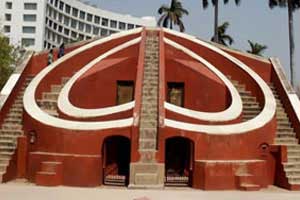
Jantar Mantar

Jantar Mantar is a UNESCO World Heritage Site and one of the world's largest stone astronomical observatories. Constructed by Maharaja Sawai Jai Singh II in 1734, it houses 19 remarkable astronomical instruments designed to measure time, track celestial bodies, predict eclipses, and observe planetary movements. The most famous instrument is the Samrat Yantra, the world's largest stone sundial, which can measure time with remarkable accuracy. Jantar Mantar reflects India's advanced scientific knowledge and architectural excellence during the 18th century. It attracts astronomers, students, historians, and tourists from around the world interested in science and heritage.

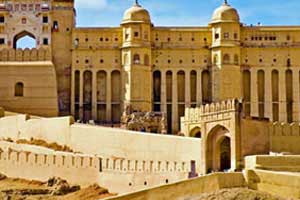
Amber Fort

Amber Fort, also known as Amer Fort, is one of Rajasthan's most magnificent hill forts and a UNESCO World Heritage Site. Located around 11 kilometres from Jaipur, the fort was built by Raja Man Singh I and later expanded by successive rulers. Constructed with red sandstone and marble, the fort features grand courtyards, elegant palaces, intricate mirror work, and beautiful gardens. Major attractions include Sheesh Mahal, Diwan-e-Aam, Ganesh Pol, Sukh Niwas, and the ancient Shila Devi Temple. Overlooking Maota Lake, Amber Fort offers spectacular views and is a must-visit destination for history, architecture, and photography enthusiasts.

Jaigarh Fort

Jaigarh Fort stands majestically on the Aravalli Hills overlooking Amber Fort and is regarded as one of India's strongest military forts. Built by Maharaja Sawai Jai Singh II in 1726, the fort was designed to protect Amber Fort and house the royal army. Its main attraction is the Jaivana Cannon, one of the largest wheeled cannons ever built. Visitors can also explore ancient water reservoirs, watchtowers, armouries, secret passages, and museums displaying historic weapons. The fort offers breathtaking panoramic views of Jaipur and the surrounding hills, making it a popular destination for history lovers and photographers.

Jalmahal

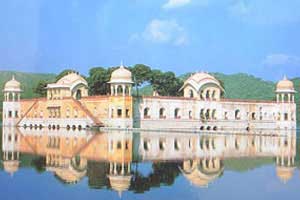
Jal Mahal, meaning "Water Palace," is one of Jaipur's most photographed landmarks. Situated in the middle of Man Sagar Lake, the palace was originally built by Maharaja Madho Singh I and later renovated by Maharaja Jai Singh II as a royal retreat. The palace showcases exquisite Rajput architecture with beautifully symmetrical designs and elegant balconies. Although visitors cannot enter the palace itself, they can enjoy stunning views from the lakeside promenade, especially during sunrise and sunset. Surrounded by the Aravalli Hills, Jal Mahal offers a peaceful setting and attracts photographers, birdwatchers, and tourists throughout the year.

Albert Hall

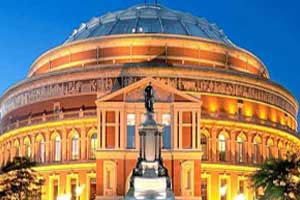
Albert Hall Museum is the oldest museum in Rajasthan and one of Jaipur's finest examples of Indo-Saracenic architecture. Designed by Sir Samuel Swinton Jacob and opened in 1887, the museum is located within the beautiful Ram Niwas Garden. It houses an impressive collection of ancient sculptures, miniature paintings, carpets, textiles, metal artifacts, pottery, musical instruments, coins, and Egyptian antiquities, including a famous mummy. The beautifully illuminated building becomes even more attractive during the evening. Albert Hall Museum offers visitors an excellent opportunity to explore Rajasthan's rich artistic, cultural, and historical heritage.

Birla Planetarium

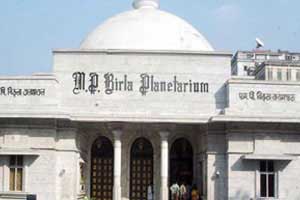
Birla Planetarium, located near Statue Circle in Jaipur, is one of the city's leading educational attractions. Established by the Birla Foundation, it offers fascinating astronomy shows using modern projection technology to explain planets, stars, galaxies, eclipses, and space exploration. The planetarium features interactive exhibits, educational displays, and multimedia presentations that make learning about the universe enjoyable for visitors of all ages. Students, families, and science enthusiasts especially enjoy its informative programs. Conveniently located near Birla Auditorium and Birla Mandir, the planetarium provides an entertaining and educational experience while promoting interest in astronomy and space science.

Vidyadhar Garden

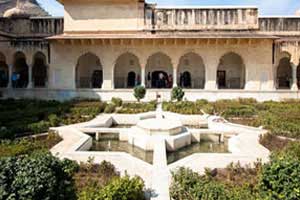
Vidyadhar Garden is a beautifully landscaped heritage garden located near Galtaji in Jaipur. Named after Vidyadhar Bhattacharya, the chief architect who designed Jaipur city, the garden reflects traditional Rajput and Mughal landscaping styles. It features lush green lawns, elegant fountains, pavilions, water channels, beautifully maintained flower beds, and scenic walkways. Surrounded by the Aravalli Hills, the peaceful atmosphere makes it an ideal place for relaxation, photography, and family outings. The garden also hosts cultural events and attracts visitors seeking a quiet escape from the busy streets of Jaipur while enjoying its architectural beauty.

Dolls Museum

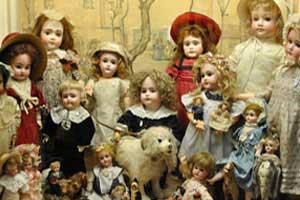
The Dolls Museum in Jaipur is a delightful attraction showcasing an extensive collection of traditional dolls from India and around the world. The museum features beautifully dressed dolls representing different states of India, showcasing their unique costumes, cultures, and traditions. International dolls from several countries are also displayed, making it an educational experience for children and adults alike. Colourful exhibits, handcrafted figures, and cultural displays offer visitors insight into global diversity and heritage. Located within Jaipur city, the Dolls Museum is a wonderful destination for families, school groups, and anyone interested in art, culture, and traditional craftsmanship.

Frequently Asked Questions

Do Not Miss Out On The Best-Discounted Deals For Our Top India Tour Packages.

Fill out this form with all the required information. Within 12 hours, we will provide you with a tailor-made itinerary at the best price.

Free, no-obligation quote — We'll send a personalised itinerary within 12 hours at the best price.

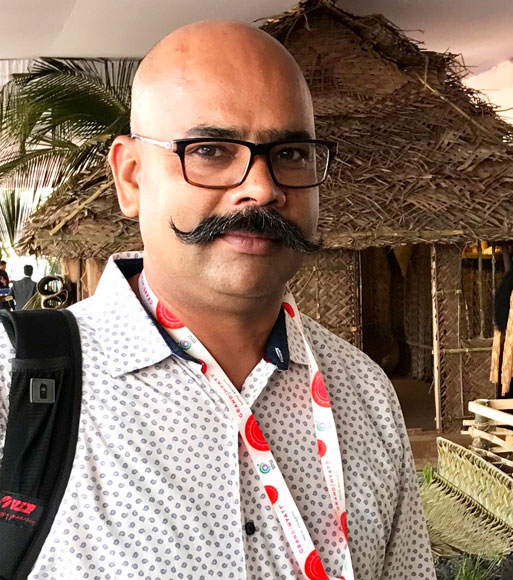
Nand Singh Rathore
Nand Singh
Rathore
Travel Expert
27+ yrs experience
Free Personal Consultation

Confused About Your
India Itinerary?

Whether you're planning your first India trip or returning to explore deeper — get honest, expert advice from someone who knows every corner of this country. No pressure, no cost.

No Obligation
100% Free Advice
Response in 12 hrs
Private & Custom Tours