
Gwalior Tour and Travel guide

A City Crowned by One of India's Greatest Forts

Long before you enter Gwalior, the city's skyline is dominated by an immense sandstone fort rising dramatically above the surrounding landscape. Stretching across a rocky hill for nearly three kilometres, Gwalior Fort has watched over central India for more than a thousand years, earning admiration from emperors, historians and travellers alike.

The city grew beneath this mighty fortress, becoming an important centre of power, trade and culture under the Tomars, Mughals, Marathas and the Scindia dynasty. Every ruling family left its own architectural imprint, creating a destination where medieval temples, royal palaces and elegant colonial buildings exist within a remarkably compact area.

Today, Gwalior offers far more than impressive monuments. Classical music traditions, bustling local markets, beautifully maintained museums and living heritage make it one of Madhya Pradesh's most rewarding historical destinations. Whether you are travelling through Central India or following a heritage circuit, Gwalior rewards those who take the time to explore beyond its famous fort.


A Kingdom That Influenced Central India

The history of Gwalior stretches back many centuries, but the city reached particular prominence under the Tomar rulers during the 15th century. Raja Man Singh Tomar transformed the fort into a royal residence by constructing magnificent palaces decorated with colourful glazed tiles, intricate stone carvings and beautifully designed courtyards.

Later, the city came under Mughal rule before becoming one of the most important strongholds of the Scindia dynasty, whose influence can still be seen in the grand palaces and public buildings scattered throughout Gwalior.

The result is a city where every monument reflects a different chapter of Indian history, allowing visitors to witness architectural styles that evolved over several centuries.


Architecture That Stands the Test of Time

The heart of Gwalior is undoubtedly its magnificent fort complex.

Within its massive walls lie remarkable structures such as Man Singh Palace, Gujari Mahal, ancient Jain rock-cut sculptures, historic temples and impressive gateways that have survived wars, changing dynasties and the passage of time.

Beyond the fort, the elegant Jai Vilas Palace presents another side of Gwalior's royal heritage. Still associated with the Scindia family, parts of the palace have been converted into a museum displaying royal carriages, rare manuscripts, European furniture and one of the world's largest chandeliers.

Every monument reflects the city's long association with art, power and craftsmanship.


Music, Culture and Local Traditions

Gwalior occupies a special place in India's cultural history. It is widely regarded as the birthplace of the Gwalior Gharana, one of the oldest and most respected schools of Hindustani classical music.

The city honours this musical legacy through festivals, performances and memorials dedicated to legendary musician Tansen, whose influence continues to shape Indian classical music today.

Walking through Gwalior's markets reveals another side of the city. Traditional sweet shops, textile stores, handicraft outlets and busy bazaars remain important gathering places for local communities. Regional cuisine, family-run restaurants and seasonal festivals provide visitors with opportunities to experience everyday life beyond the historic monuments.


Best Time to Visit Gwalior

The best time to visit Gwalior is between October and March, when cooler temperatures make exploring the fort, palaces and museums much more comfortable.

Winter also brings pleasant evenings for heritage walks and outdoor photography. Travellers visiting during the Tansen Music Festival can experience one of India's most respected classical music celebrations in the city where the tradition first flourished.


A City That Deserves More Time Than Expected

Many travellers arrive in Gwalior expecting to spend only a few hours at the fort. Most leave wishing they had stayed longer.

Its royal architecture, artistic heritage and relaxed atmosphere create a destination that rewards curiosity. Every palace, temple and museum adds another layer to the city's remarkable story, while its living traditions ensure that Gwalior remains much more than an open-air museum.

The attractions featured below introduce the forts, palaces, temples and cultural landmarks that have established Gwalior as one of Central India's most significant heritage cities.

Major tourist spots in Gwalior Tour and Travel guide

Gwalior Fort

Gwalior Fort

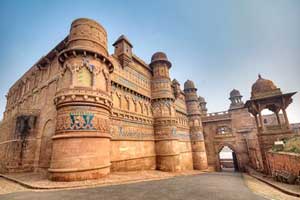
Gwalior Fort is one of the most magnificent hill forts in India and the most iconic attraction of Gwalior. Perched on a sandstone hill about 300 feet above the city, the fort was originally built by Raja Suraj Sen and later strengthened and expanded by Raja Man Singh Tomar during the 15th century. The fort is famous for its impressive blue-tiled walls, massive gateways, ancient temples, palaces, and water reservoirs. Inside the complex, visitors can explore Man Mandir Palace, Gujari Mahal, Teli Ka Mandir, and Sas Bahu Temple. The fort also offers breathtaking panoramic views of Gwalior city and is a must-visit destination for history lovers.

Saas Bahu Temple

Saas Bahu Temple

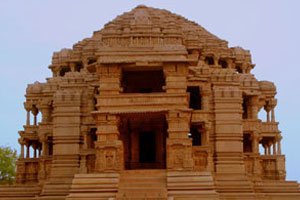
Saas Bahu Temple, also known as Sahastrabahu Temple, is one of the finest examples of ancient Hindu temple architecture in Gwalior. Built during the 11th century by King Mahipala of the Kachchhapaghata dynasty, the temple is dedicated to Lord Vishnu. Contrary to its popular name, the temple is not related to mothers-in-law and daughters-in-law. The complex consists of two beautifully carved temples featuring detailed sculptures, ornate pillars, and intricate stone carvings that showcase exceptional craftsmanship. Located within Gwalior Fort, the temple provides stunning views of the city and attracts architecture enthusiasts, photographers, and devotees throughout the year.

Jai Vilas Palace

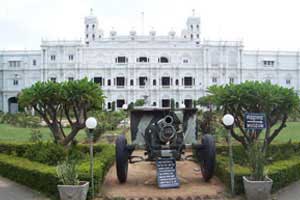
Jai Vilas Palace is one of the grandest royal residences in Madhya Pradesh and remains the official residence of the Scindia royal family. Built in 1874 by Maharaja Jayajirao Scindia, the palace blends Tuscan, Corinthian, and Italian-Doric architectural styles, making it unique among Indian palaces. The palace is famous for its lavish Durbar Hall, which features one of the world's largest chandeliers weighing several tonnes. Beautiful gardens, elegant interiors, and luxurious European-inspired décor make Jai Vilas Palace a major tourist attraction. The palace reflects the grandeur and royal lifestyle of the Scindia dynasty.

Jai Vilas Palace Museum

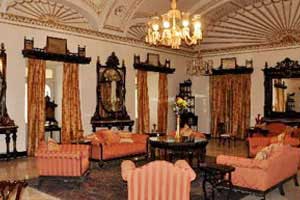
The Jai Vilas Palace Museum is one of the finest royal museums in India, offering visitors a glimpse into the luxurious lifestyle of the Scindia family. Opened to the public in 1964, the museum displays an impressive collection of royal artifacts, antique furniture, vintage carriages, weapons, paintings, silverware, rare manuscripts, and European decorative items. One of its most famous exhibits is the silver miniature train that once served drinks on the dining table. The magnificent Durbar Hall, with its gold decorations and massive chandeliers, is another highlight that attracts tourists from across the world.

Gopachal Parvat

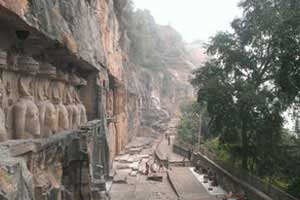
Gopachal Parvat is a historic hill located near Gwalior Fort and is renowned for its remarkable Jain rock-cut sculptures. Carved directly into the sandstone cliffs during the 15th century, these colossal statues represent several Jain Tirthankaras, including Lord Adinath and Lord Parshvanath. Some of the sculptures rise over 50 feet high and are considered masterpieces of medieval Indian rock-cut art. The peaceful surroundings and spiritual atmosphere make it an important pilgrimage site for the Jain community. Visitors also appreciate the site's historical significance, artistic beauty, and panoramic views of the surrounding landscape.

Tigra Dam

Tigra Dam is a peaceful picnic destination located around 23 kilometres from Gwalior city. Built across the Sank River, the dam serves as an important source of drinking water for Gwalior while also attracting tourists seeking relaxation and scenic beauty. The reservoir offers beautiful views, especially during the monsoon season when the water level rises. Visitors can enjoy boating, photography, birdwatching, and peaceful walks around the lake. The calm atmosphere makes it an ideal getaway for families, couples, and nature lovers looking to escape the busy city and spend time in a refreshing natural environment.

Bandhavgarh National Park

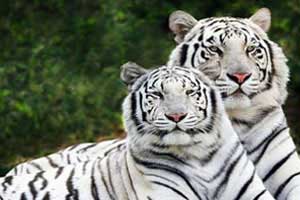
Bandhavgarh National Park is one of India's most famous wildlife sanctuaries and is well known for having one of the highest densities of Royal Bengal Tigers. Located in Madhya Pradesh, the park covers lush forests, grasslands, and rocky hills, making it a paradise for wildlife enthusiasts and photographers. Besides tigers, visitors can spot leopards, sloth bears, deer, wild boars, jackals, langurs, and over 250 species of birds. Jeep safaris provide an exciting opportunity to explore the park's rich biodiversity. Bandhavgarh is also home to the ancient Bandhavgarh Fort, adding historical significance to this incredible wildlife destination.

Frequently Asked Questions

Do Not Miss Out On The Best-Discounted Deals For Our Top India Tour Packages.

Fill out this form with all the required information. Within 12 hours, we will provide you with a tailor-made itinerary at the best price.

Free, no-obligation quote — We'll send a personalised itinerary within 12 hours at the best price.

Nand Singh Rathore
Nand Singh
Rathore
Travel Expert
27+ yrs experience
Free Personal Consultation

Confused About Your
India Itinerary?

Whether you're planning your first India trip or returning to explore deeper — get honest, expert advice from someone who knows every corner of this country. No pressure, no cost.

No Obligation
100% Free Advice
Response in 12 hrs
Private & Custom Tours