Fatehpur Sikri Tour and Travel Gui
A Royal Capital Frozen in Time
Just over an hour from Agra stands a city that once served as the centre of one of the world's greatest empires. Massive gateways rise above the plains, elegant courtyards stretch across red sandstone complexes and centuries-old palaces still reflect the ambition of Emperor Akbar's reign. Although Fatehpur Sikri remained the Mughal capital for only a short period, its remarkable preservation allows visitors to experience an entire imperial city much as it appeared in the sixteenth century.
Constructed in 1571, Fatehpur Sikri represented Akbar's vision of a new capital where administration, religion, art and royal life could exist within a carefully planned urban landscape. Palaces, audience halls, mosques, gardens and residential quarters were designed with exceptional attention to detail, blending Persian influences with Rajput craftsmanship and traditional Indian architecture.
Today, recognised as a UNESCO World Heritage Site, Fatehpur Sikri remains one of India's finest examples of Mughal planning and architecture. Visitors walking through its grand gateways and quiet courtyards gain an understanding not only of imperial life but also of the cultural exchange that shaped one of history's most influential dynasties.
Emperor Akbar's Vision of an Imperial City
The foundation of Fatehpur Sikri is closely linked with the revered Sufi saint Sheikh Salim Chishti, whose blessing is believed to have fulfilled Akbar's wish for an heir. In gratitude, the emperor established a magnificent new capital beside the saint's residence, transforming a small settlement into an extraordinary political and cultural centre.
Within just a few years, craftsmen from different regions of India created an architectural masterpiece using locally quarried red sandstone. Every building reflected Akbar's interest in combining artistic traditions from across his empire.
Although the capital was later relocated, largely because of water supply challenges and strategic considerations, the city's monuments survived with remarkable integrity. Today they offer visitors an unusually complete picture of Mughal court life during Akbar's reign.
Architecture That Blends Many Traditions
One of Fatehpur Sikri's greatest strengths lies in the diversity of its architectural style.
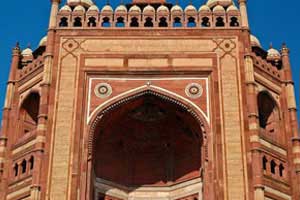
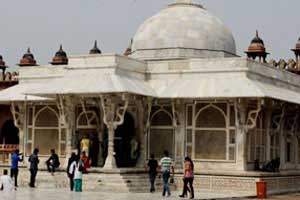
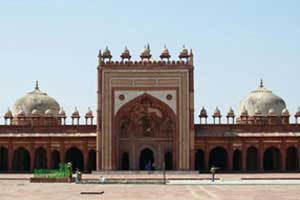
The vast Buland Darwaza, built to commemorate Akbar's victory in Gujarat, remains one of the tallest ceremonial gateways in the world. Nearby, the elegant white marble tomb of Sheikh Salim Chishti contrasts beautifully with the surrounding red sandstone buildings.
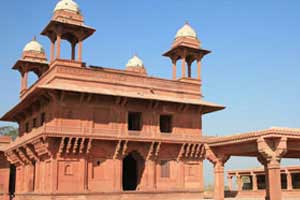
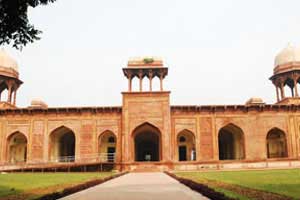
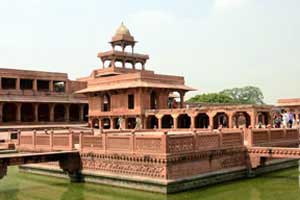
Inside the palace complex, visitors discover architectural highlights such as Diwan-i-Khas, Panch Mahal, Jodha Bai's Palace, Diwan-i-Aam, Anup Talao and the magnificent Jama Masjid. Every structure demonstrates remarkable craftsmanship, intricate carvings and thoughtful planning that continues to inspire historians and architects alike.
Walking through these interconnected spaces reveals how royal ceremonies, administration, religious dialogue and everyday life once functioned within the Mughal court.
A Journey Through Mughal History
Fatehpur Sikri is not simply a collection of monuments. It is an entire historic city where every courtyard and corridor reflects a different aspect of imperial administration.
The spacious audience halls hosted diplomatic meetings, while private residences offered comfort for members of the royal family. Decorative pavilions overlooked ornamental pools, and carefully planned gardens provided peaceful spaces within the bustling capital.
Guided tours help visitors understand how Akbar encouraged dialogue between different religious traditions, welcomed scholars from across the empire and introduced administrative reforms that shaped the future of Mughal governance.
This historical depth makes Fatehpur Sikri particularly rewarding for travellers interested in architecture, history and India's cultural evolution.
Best Time to Visit Fatehpur Sikri
The best time to visit Fatehpur Sikri is between October and March, when cooler temperatures make exploring the extensive monument complex comfortable throughout the day.
Morning visits provide pleasant weather and softer light for photography, while weekday visits often offer a quieter experience compared to weekends and public holidays.
Many travellers include Fatehpur Sikri as a full-day excursion from Agra or as part of the Golden Triangle route connecting Delhi, Agra and Jaipur.
An Essential Chapter of India's Mughal Heritage
Few destinations preserve an entire royal capital with such completeness.
Fatehpur Sikri allows visitors to step inside the world of Emperor Akbar and experience the architecture, planning and artistic achievements that defined one of India's greatest empires. Rather than focusing on a single monument, the city presents a complete historical landscape where every building contributes to a larger story.
The attractions featured below introduce the palaces, mosques, gateways and royal residences that continue to make Fatehpur Sikri one of India's most remarkable UNESCO World Heritage Sites.



 info@topindianholidays.net
 +91-8955000999