
Delhi

Where Centuries of History Meet Modern India

Delhi is not a city that can be understood through a single monument or a single era. Every part of the capital tells a different chapter of India's story, from the grand avenues of New Delhi and the bustling streets of Old Delhi to centuries-old forts, magnificent tombs, colourful bazaars and thriving cultural districts. It is a place where medieval architecture stands beside modern skyscrapers, where ancient traditions continue alongside contemporary lifestyles, and where every neighbourhood offers a different perspective on India's remarkable diversity.

For many international travellers, Delhi is the first introduction to India. As the starting point of the famous Golden Triangle Tour, it offers an ideal combination of history, culture, cuisine and modern hospitality. While it serves as the country's political capital, Delhi is equally important as a cultural centre, preserving the legacy of the Delhi Sultanate, the Mughal Empire and the British Raj within a single city.

Rather than simply passing through, Delhi deserves time. Every walk through its historic streets, every visit to its monuments and every meal enjoyed in one of its traditional markets reveals another layer of a city that has continuously evolved for more than a thousand years.


A City Built and Rebuilt Through History

Few cities in the world have witnessed as many transformations as Delhi. Historians often describe it as a collection of several historic cities, each built by different rulers over many centuries. From the early settlements of the Delhi Sultanate to the grandeur of Shah Jahan's Mughal capital and the carefully planned avenues created during British rule, every period has left its own architectural and cultural identity.

The city has been the capital of powerful dynasties including the Tomars, Chauhans, Delhi Sultans, Mughals and the British Empire. Each dynasty contributed magnificent forts, mosques, gardens, markets and public buildings that continue to attract visitors from across the world.

Today, UNESCO World Heritage Sites such as Red Fort, Humayun's Tomb and Qutub Minar stand alongside Parliament House, India Gate and modern business districts, creating one of the most fascinating urban landscapes in Asia.


Beyond the Famous Landmarks

While Delhi's historic monuments remain its greatest attraction, the city's true character is often found beyond its most photographed sites.

The narrow lanes of Chandni Chowk continue to buzz with traders who have served customers for generations. Khan Market and Connaught Place represent the city's contemporary side, offering boutique shopping, cafés and international brands. Lodhi Garden provides a peaceful escape beneath centuries-old tombs, while Dilli Haat introduces visitors to handicrafts, textiles and regional cuisine from every corner of India.

Delhi is also one of India's finest culinary destinations. Street food vendors, family-run restaurants and award-winning fine dining establishments together create an extraordinary food culture. Whether sampling Chole Bhature in Old Delhi, enjoying Mughlai cuisine near Jama Masjid or dining in one of the city's luxury hotels, food forms an essential part of the Delhi experience.


Art, Culture and Everyday Life

Delhi is home to some of India's most respected museums, art galleries and cultural institutions. Classical music concerts, theatre performances, literature festivals and craft exhibitions take place throughout the year, reflecting the city's role as the country's cultural capital.

Its markets are equally diverse. Chandni Chowk is known for spices, jewellery and traditional fabrics, while Janpath offers handicrafts from across India. Sarojini Nagar attracts bargain hunters, and luxury shopping can be found in Emporio Mall and high-end boutiques across South Delhi.

Despite its size, every neighbourhood has its own personality. Early mornings begin with walkers in Lodhi Garden, afternoons fill historic markets with shoppers, and evenings see families gathering around India Gate or enjoying cafés throughout the city.


Best Time to Visit Delhi

The most pleasant time to visit Delhi is between October and March, when cooler temperatures make sightseeing comfortable. Winter mornings are ideal for exploring historic monuments, while pleasant evenings are perfect for experiencing Delhi's markets, restaurants and cultural attractions.

Spring brings colourful gardens and blooming trees across the city, while festive celebrations such as Diwali, Holi and Republic Day add another dimension to the visitor experience.

Although summers can be hot, many museums, galleries and indoor attractions remain accessible throughout the year.


A City That Introduces India

Delhi is often described as the gateway to India, but it is far more than a starting point. It is a destination where every monument, market and neighbourhood reflects a different period of the country's remarkable past. The city rewards travellers who are willing to look beyond the obvious, offering experiences that combine history, architecture, cuisine, spirituality and contemporary urban life.

The attractions featured below highlight the places that have shaped Delhi over centuries and continue to make it one of the world's most historically significant capital cities.

Major tourist spots in Delhi

Akshardham

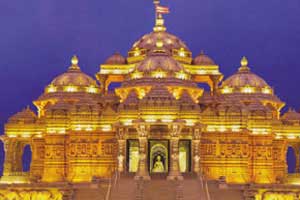
The Akshardham Temple is one of the most magnificent Hindu temples in India and a symbol of spirituality, culture, and traditional Indian architecture. Inaugurated in 2005 by the Bochasanwasi Shri Akshar Purushottam Swaminarayan Sanstha (BAPS) under the guidance of Pramukh Swami Maharaj, the temple was built by over 11,000 skilled artisans and volunteers. Constructed from pink sandstone and white marble, the complex features intricately carved pillars, domes, sculptures, exhibitions, a musical fountain, and the famous Yagnapurush Kund. Visitors also enjoy boat rides showcasing India's rich heritage. Akshardham Temple is one of Delhi's most visited spiritual attractions.

Humyaun Tomb

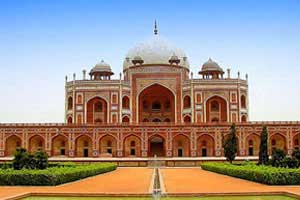
Humayun's Tomb is one of Delhi's most important Mughal monuments and a UNESCO World Heritage Site. Built in 1565–1572 by Empress Bega Begum in memory of Emperor Humayun, the tomb is considered the first grand garden-tomb in the Indian subcontinent. Designed in Persian architectural style, the monument features beautiful red sandstone, white marble domes, elegant arches, and perfectly symmetrical Mughal gardens. It later inspired the design of the Taj Mahal. Surrounded by peaceful landscaped gardens maintained by the Archaeological Survey of India, Humayun's Tomb attracts history lovers, photographers, and architecture enthusiasts from around the world.

Qutub Minar

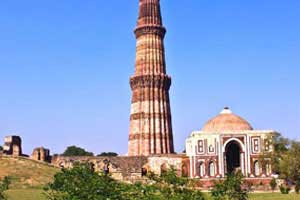
The Qutub Minar is the tallest brick minaret in the world and one of Delhi's most iconic historical landmarks. Standing approximately 73 metres high, it was started in 1193 by Qutb-ud-din Aibak and completed by his successors, including Iltutmish and Firoz Shah Tughlaq. Built using red sandstone and marble, the five-storey tower features intricate carvings, Quranic inscriptions, and beautifully decorated balconies. The surrounding Qutub Minar Complex includes the famous Iron Pillar, Alai Darwaza, and ancient mosque ruins. Recognized as a UNESCO World Heritage Site, it is a must-visit attraction for history and architecture enthusiasts.

Purana Quila

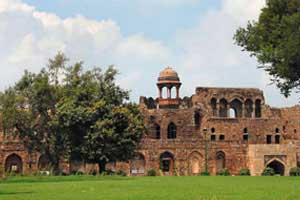
Purana Qila, also known as the Old Fort, is one of the oldest surviving forts in Delhi and is believed by many historians to stand near the site of the ancient city of Indraprastha from the Mahabharata period. The fort was rebuilt during the 16th century by Emperor Humayun and later completed by Sher Shah Suri. Massive stone walls, impressive gateways, ancient mosques, and archaeological remains highlight its historical significance. Visitors can also enjoy boating at the nearby lake and the evening light and sound show. Purana Qila beautifully showcases Delhi's rich historical heritage.

India Gate

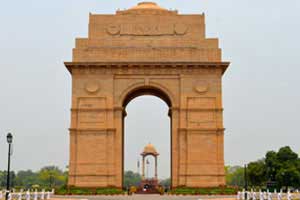
The India Gate is one of Delhi's most recognizable landmarks and an important national war memorial. Standing 42 metres tall in the heart of New Delhi, it was designed by Sir Edwin Lutyens and completed in 1931 to honour more than 70,000 Indian soldiers who lost their lives during the First World War and the Third Anglo-Afghan War. The names of thousands of brave soldiers are engraved on its walls. Nearby, the Amar Jawan Jyoti and the National War Memorial pay tribute to India's armed forces. Surrounded by lush lawns, India Gate is a favourite destination for tourists and families alike.

Frequently Asked Questions

Do Not Miss Out On The Best-Discounted Deals For Our Top India Tour Packages.

Fill out this form with all the required information. Within 12 hours, we will provide you with a tailor-made itinerary at the best price.

Free, no-obligation quote — We'll send a personalised itinerary within 12 hours at the best price.

Nand Singh Rathore
Nand Singh
Rathore
Travel Expert
27+ yrs experience
Free Personal Consultation

Confused About Your
India Itinerary?

Whether you're planning your first India trip or returning to explore deeper — get honest, expert advice from someone who knows every corner of this country. No pressure, no cost.

No Obligation
100% Free Advice
Response in 12 hrs
Private & Custom Tours