08 Nights / 09 Days Fully Guided Tours Private Car
Delhi - Agra - Jaipur - Delhi - Ranthambore - Delhi
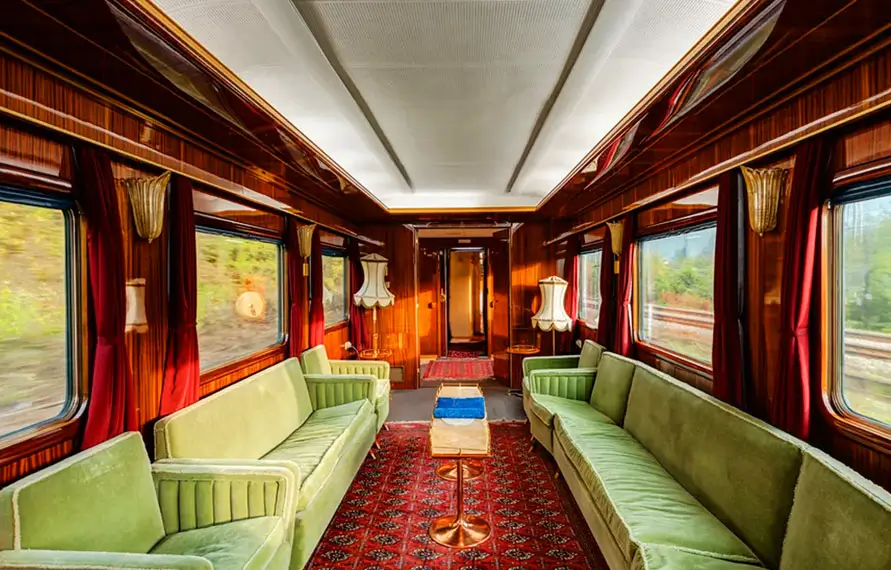
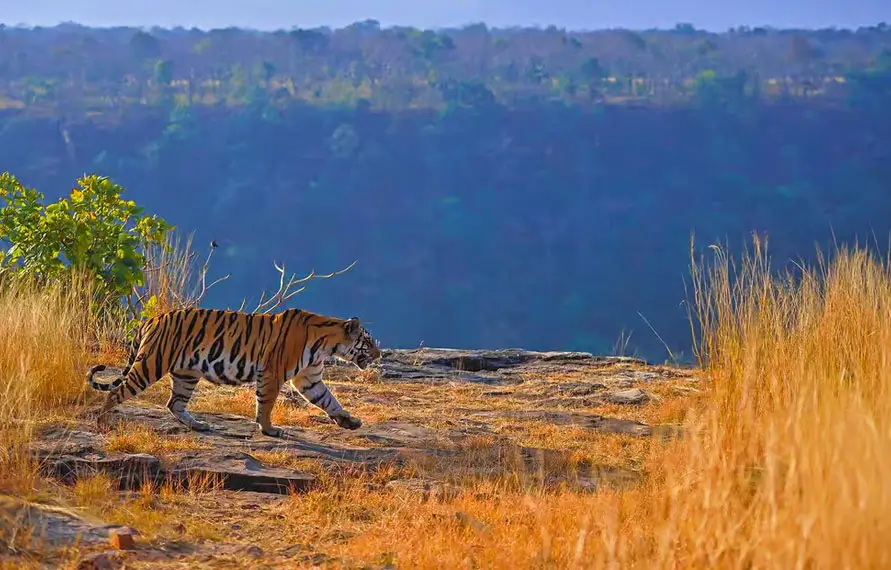
One afternoon game drive gives you a taste of Ranthambore, but naturalists will tell you that tiger sightings reward patience, and the Maharajas Express with Ranthambore Tiger Safari is built around that simple truth. The trip starts with a night in Delhi and three nights aboard the Maharajas' Express on its Treasures of India loop through Agra, Ranthambore and Jaipur. Then, instead of flying home, you head straight back into tiger country for three nights at a luxury safari lodge on the edge of the park, with several more drives into the forest.
This pairing works well for travelers who want both sides of India in one short trip: the polished, social world of a palace on rails and the quiet, dusty excitement of the jungle. On the train you see the Taj Mahal, Agra Fort, Amber Fort and the royal quarter of Jaipur with expert guides. At the lodge, the days follow the rhythm of the forest, with early morning drives, long lunches, a swim or a nap in the heat of the day, and an afternoon drive as the light turns golden. Several drives across different zones of Ranthambore National Park greatly improve your chances of a good tiger sighting, as well as leopards, sloth bears, crocodiles and a long list of birds.
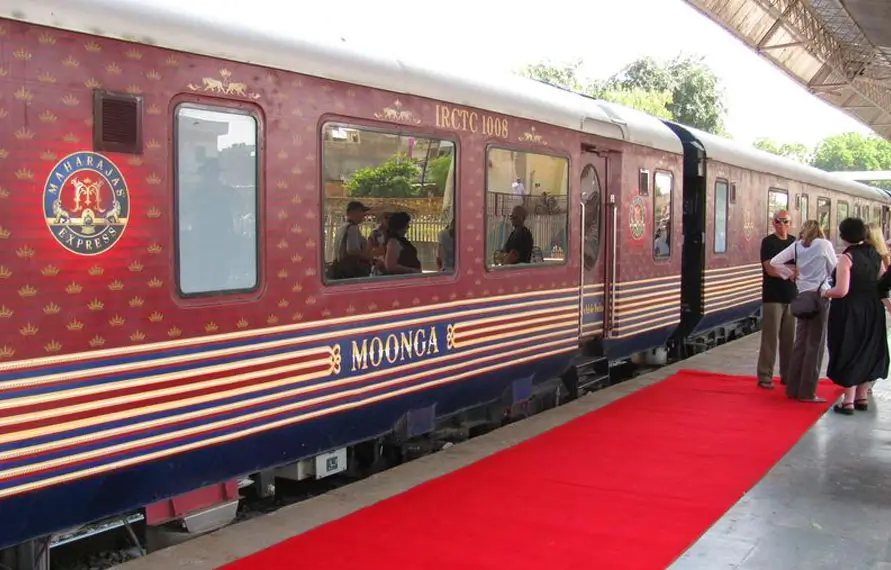
The Maharajas' Express is operated by IRCTC and has received the World's Leading Luxury Train award at the World Travel Awards several times. Every cabin, from Deluxe to the Presidential Suite, has a private bathroom, picture windows and a butler. Top Indian Holidays has no connection with the train's management: we are a Ministry of Tourism approved agency that has worked out of Jaipur since the late nineties, and we reserve your cabin along with your lodge, safari permits, private car and Delhi hotels. The train portion follows the 2026-27 Treasures of India departures, and we fit the rest of the trip around your chosen date.
Our representative waits for you outside customs at Indira Gandhi International Airport with a name board and a warm welcome. After helping with your bags, he walks you to your private air-conditioned car for the drive to your luxury hotel in Delhi, which takes 30 to 50 minutes depending on the time of day. Most long-haul flights land at night, so we arrange your room in advance and, where possible, request early check-in for morning arrivals. A local SIM card or eSIM can be arranged on request.
Use the rest of the day to recover from the flight. If you would like some fresh air, a gentle walk in Lodhi Garden, a leafy park scattered with old tombs, or a visit to Humayun's Tomb, a graceful Mughal mausoleum set in formal gardens, makes a calm introduction to the city. Both are near the main hotel district. Delhi's weather from November to February is generally pleasant by day, around 20 to 25 degrees Celsius, but evenings can be chilly, so a light sweater is useful.
Later on, someone from our Delhi team calls at your hotel in person, usually around 18:00, to hand over your train documents, explain the safari arrangements for later in the week and answer any questions. This is a good moment to check your camera batteries and memory cards, since the coming days will be full of photographs. We can book you a table at one of the city's acclaimed restaurants for dinner. Have an early night, because your driver will collect you early tomorrow for the station.
At Delhi Safdarjung station, the welcome for the Maharajas Express includes garlands, a welcome drink and live traditional music. Staff take your luggage to your cabin, and a guest relations officer completes your check-in. If you have heavy safari gear or extra bags you will not need on board, our driver can keep them safe and bring them to you on Day 5. Once you are settled, your butler explains the cabin and asks about your preferences for meals and wake-up calls during the trip.
The train runs south toward Agra, and brunch is served in the restaurant car on the way. A short briefing covers each day of the journey, including the safari in Ranthambore and the timings for each excursion. This is a good time to tell the train staff that you will be returning to Ranthambore later in the week, as the naturalists and fellow guests often enjoy comparing notes. From the window you will see wheat fields, brick kilns and small towns, an everyday side of India that contrasts with the luxury inside.
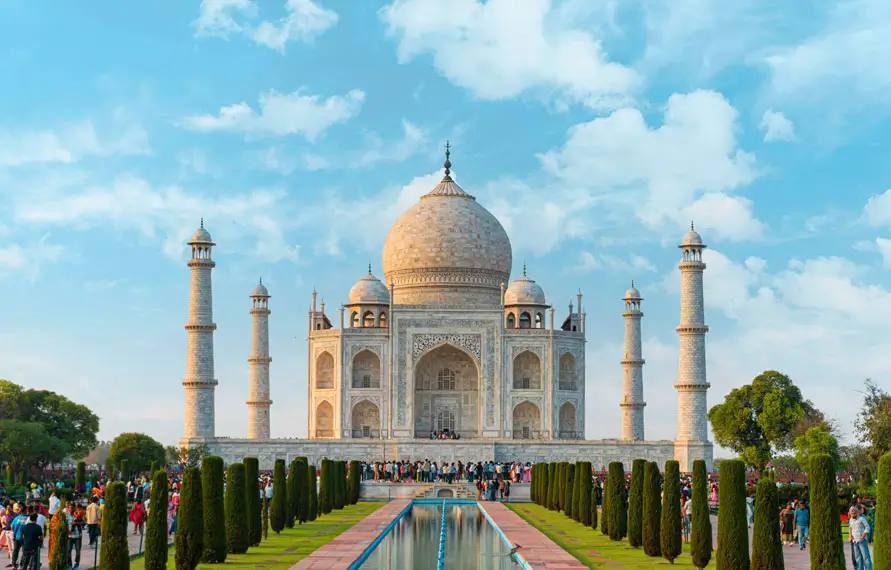
Your first major sight is the Taj Mahal, visited as part of the Agra program on the opening afternoon or the following morning, depending on the departure. Your guide explains the architecture and history of the monument, built by Shah Jahan in the seventeenth century as a tomb for his wife Mumtaz Mahal. Take time to sit in the gardens and watch the marble change color. Before dinner on board, the evening offers a choice: a massage at one of Agra's top hotels or a staged dance telling the Taj Mahal's love story.
The morning in Agra is spent at Agra Fort, the great red sandstone citadel on the river that was the seat of Mughal power for generations. Your guide takes you through its gateways, courtyards and marble halls, including the octagonal tower where Shah Jahan spent his last years looking across the river at the Taj Mahal. There may also be time for the delicate tomb of Itmad-ud-Daulah, sometimes called the Baby Taj, as an optional visit. Afterward you return to the train, which leaves for Sawai Madhopur.
Lunch is served on board as the train crosses the dry country of eastern Rajasthan. This is your first approach to the land of the tiger, and the afternoon game drive in Ranthambore National Park is a preview of what is to come later in the week. The open vehicles used on the train program are usually larger shared vehicles called canters, which carry around twenty guests. In the cold season these afternoon outings go from roughly 14:00 to 17:30, while October, February and March push the window to about 14:30 until 18:00.
During this first drive, focus on getting a feel for the landscape: the lakes, the dry deciduous forest, the old walls and pavilions, and the animals that share the tiger's home. Spotted deer and large brown deer gather near the water, crocodiles bask on the banks and peacocks call from the trees. If you see a tiger today, it is a wonderful bonus. If not, there are several more chances to come. In the evening an Indian evening with music and regional dishes is held on board before the train heads to Jaipur.
You wake in Jaipur, the pink-washed capital of Rajasthan, and set out after breakfast for Amber Fort. Jeeps carry you up to the main gate, and your guide leads you through the halls and private rooms of the Kachwaha rulers. The famous Mirror Palace, with its walls and ceiling inlaid with tiny pieces of glass, shimmers even in dim light. From the ramparts you can see the walls of Jaigarh Fort on the ridge above and the long defensive walls running over the surrounding hills.
Back in the city, the tour continues to the City Palace, whose private wing still houses descendants of the Jaipur royal line, and then to the Jantar Mantar observatory next door. The observatory's giant stone instruments, built in the early eighteenth century, were designed to measure time, track the movement of stars and predict eclipses. The guide shows you how the great sundial works, with its shadow moving visibly across the scale. Lunch is served on the train after the morning's sightseeing, followed by free time.
The afternoon is free for relaxing or extras such as a massage, nine or eighteen holes on the Rambagh Golf Club course, or a private shopping trip with a guide. Jaipur is well known for gemstones, block-printed cotton, carpets and blue pottery. Safari lovers might look for a good pair of binoculars or a field guide to Indian birds in the city's bookshops. In the evening the train hosts a performance of Kalbelia folk dance before dinner, and then begins its final overnight run back to Delhi.
The last breakfast on the train comes as the suburbs of the capital roll past. Farewells said to your butler and the friends you have made, you leave the carriage at Safdarjung, where a driver from our team is waiting with any luggage he has been holding for you. Depending on your preference and the timetable, you then return to Sawai Madhopur either on a regular express train in an air-conditioned class or by private car. The drive takes about six to seven hours with stops, while the express train takes roughly five to six hours.
If you travel by car, the route runs south through Haryana and into Rajasthan, with a lunch stop at a roadside hotel or a restaurant chosen by our driver. If you take the train, our driver drops you at the station in Delhi, and our local representative meets you at Sawai Madhopur on arrival. Either way, you reach the edge of Ranthambore in the late afternoon or early evening, where the lodge staff welcome you with cold towels and a refreshing drink after the journey.
Your safari lodge sits close to the park entrance, surrounded by gardens and dry forest. Rooms are spacious and comfortable, with private verandas, and most lodges have a pool, a spa and a library of wildlife books. In the evening the resident naturalist gives a short talk about the park, its tigers and the safari zones, and explains the timings for the next morning. Dinner is served in the main dining room or around a fire on the lawn, and an early night is a good idea.
A knock on the door before first light brings tea or coffee and a warm cookie, and then you climb into a smaller six-seat open vehicle, known locally as a gypsy, with your naturalist and driver. Mornings in Ranthambore National Park are when the forest is most alive: tigers are often on the move after a night of patrolling, and the light is soft for photography. Through the winter months the dawn permit covers about 07:00 until 10:30, starting half an hour sooner and ending around 10:00 in the shoulder months either side. Bring a hat, gloves and a warm jacket for starting temperatures of 6 to 9 degrees Celsius.
The reserve is divided into numbered zones, and your route on each drive depends on the permits allocated by the forest department. Some zones circle the lakes beneath the fort, where tigers sometimes hunt deer at the water's edge, while others climb into rocky hills and narrow valleys. Your naturalist reads the forest constantly: the sharp bark of a large brown deer, the warning call of gray monkeys high in the trees, a fresh set of paw prints across the track. When a tiger appears, vehicles keep a respectful distance and engines go quiet.
You return to the lodge for a late breakfast and a long, lazy middle of the day. Swim in the pool, book a massage or read on your veranda while birds visit the garden. Lunch is served at around 13:00, and soon afterward you head out again for the afternoon drive, from about 14:00 to 17:30 in winter. As the heat fades the forest glows gold and animals return to the water. Back at the lodge, dinner is served by the fire, and guests trade stories of the day's sightings over a glass of wine.
Today brings another early drive, ideally in a different zone from yesterday so that you see more of the reserve and widen your chances. Each outing has its own mood, and many guests find their finest sighting comes on the third or fourth drive, once they have learned to sit still, watch and listen. Besides tigers, keep an eye out for leopards on the rocky slopes, sloth bears shuffling through the undergrowth, striped hyenas at dusk and an exceptional range of birds, from painted storks and serpent eagles to bright kingfishers.
Late morning, there is an option to visit Ranthambore Fort, a UNESCO World Heritage Site perched on a hilltop inside the reserve. Its walls are about a thousand years old and enclose temples, stepped water tanks and the ruins of palaces, with sweeping views over the forest and lakes below. Climbing the stone steps is a good way to understand the long human story of the area, which served as a royal hunting ground for centuries. Alternatively, visit a nearby village or a crafts cooperative that supports local women and families.
After lunch you set out on your final safari. Use this drive to slow down and take in the setting rather than chase sightings: a crocodile sliding into the lake, deer silhouetted against the evening sky, the fort walls catching the last light. Your naturalist can offer tips on camera settings for low light. That evening the lodge hosts a farewell dinner, often under the stars beside a fire, with regional dishes such as smoky grilled meats and spiced vegetables. It is a peaceful way to close your days in tiger country.
After breakfast and a last look at the garden birds, you leave the lodge and travel back to Delhi, either by express train in an air-conditioned class or by private car, whichever you chose when booking. If you take the train, our representative accompanies you to Sawai Madhopur station, makes sure your bags are safely stowed and settles you in your seat. The rail journey takes about five to six hours, and the road trip six to seven hours including a comfortable lunch stop along the highway.
Our driver meets you on arrival and takes you to your Delhi hotel. Depending on your arrival time, the late afternoon may be free for a drive along the ceremonial avenue to India Gate and the grand government buildings designed by Edwin Lutyens, or for a quiet walk in the gardens of Humayun's Tomb as the light fades. If you prefer to rest after the travel, your hotel's spa and pool are an inviting alternative after several early starts in the forest and the long journey north.
For dinner, Delhi offers everything from refined modern Indian tasting menus to long-established eateries famous for grilled skewers and slow-cooked stews, and our team is happy to reserve a table. This is also the evening to repack, especially if you have collected textiles or gifts along the way. Many guests spend a happy hour sorting through their photographs, from the marble of the Taj Mahal and the mirrors of Amber Fort to the striped faces glimpsed through the trees in Ranthambore. Keep a few favorites aside to share with the team, as we always enjoy seeing them.
Your last morning is unhurried. Take a slow breakfast, perhaps a final swim, and check your flight details with the hotel's concierge. Standard check-out in Delhi is around 12:00, and if your flight is in the evening, we will request a later departure from the room or book one for the day, giving you somewhere to shower and rest. Should you have a few spare hours, your driver can take you to a crafts emporium, a tea shop or the National Museum, which holds superb collections of sculpture and miniature paintings.
When the time comes, your car pulls up for the drive to Indira Gandhi International Airport, usually 30 to 50 minutes away. For international departures, aim to arrive three hours before your flight, as security checks begin at the terminal doors where your passport and ticket are inspected. Your driver helps with your luggage up to the entrance. Remember that some items, such as binoculars or long camera lenses, are best packed securely in your hand luggage for the flight home, where they are less likely to be damaged.
We hope the Maharajas Express with Ranthambore Tiger Safari has given you the best of both worlds: royal palaces and Mughal marble seen in comfort, followed by the thrill of tracking a tiger through the forest. Top Indian Holidays, a privately owned Jaipur firm acting on your behalf, has looked after your cabin, lodge, safaris, transfers and hotels throughout, and our team would be delighted to help with a future trip, whether to the tiger parks of central India, the backwaters of Kerala or another of India's luxury trains. Safe travels home.
Fill out this form with all the required information. Within 12 hours, we will provide you with a tailor-made itinerary at the best price.
Read the reviews of our esteemed client's, go through the experiences they had with Top Indian Holidays.

Whether you're planning your first India trip or returning to explore deeper — get honest, expert advice from someone who knows every corner of this country. No pressure, no cost.



 info@topindianholidays.net
 +91-8955000999