Jaipur Literature Festival 2027 – A Global Celebration of Books, Culture & Travel
The Jaipur Literature Festival (JLF), often called the “Greatest Literary Show on Earth”, is a unique celebration of ideas, dialogue, art, and culture. Since its inception in 2006, it has grown from a modest gathering of a few writers at Diggi Palace into the largest free literature festival in the world, drawing over 400,000 attendees from more than 70 countries each year.
The 2027 edition promises to be bigger and more global than ever before. Scheduled for 14–18 January 2027 at the modern yet heritage-inspired Hotel Clarks Amer, Jaipur, it offers five days of debates, discussions, performances, music, and cultural immersion.
For international travelers, JLF is not just a festival – it is an experience that blends India’s intellectual vibrancy with its royal hospitality.
The Venue – Hotel Clarks Amer Jaipur
The festival has moved from Diggi Palace to Hotel Clarks Amer, a venue that accommodates its global scale while retaining a traditional Rajasthani soul.
Why Clarks Amer is perfect for JLF 2027:
- Expansive lawns and courtyards for outdoor sessions.
- Large auditoriums for keynote speeches and masterclasses.
- Dedicated areas for Festival Bazaar, Book Stalls, Food Courts, and Jaipur Music Stage.
- Heritage-inspired interiors reflecting Rajasthan’s pink city charm.
- Closer proximity to Jaipur Airport (10 km) and Railway Station (7 km).
The venue promises a seamless visitor experience with modern amenities while preserving the open, interactive spirit that defines JLF.
What to Expect at Jaipur Literature Festival 2027
The Jaipur Literature Festival isn’t just about books—it’s about the exchange of ideas that shape our times. The 2027 edition will cover:
Literary Dialogues & Global Literature
- Contemporary fiction & non-fiction
- Translation debates and South Asian languages
- Poetry recitals and storytelling traditions
Policy, Democracy & Human Rights
- Freedom of expression
- Global geopolitics and South Asian diplomacy
- Equity, inclusion, and justice
Technology & Artificial Intelligence
- AI in publishing
- Future of creativity in the digital age
- Ethical debates around data and surveillance
Gender, Feminism & Identity
- Women writers shaping narratives
- LGBTQ+ representation in South Asian literature
- Feminist perspectives on policy, culture, and history
Climate & Sustainability
- Conversations on climate change
- Eco-literature and indigenous knowledge
- Sustainability in tourism and publishing
Art, Cinema & Culture
- Film screenings and discussions with directors
- Visual storytelling through photography
- Cross-cultural collaborations
Authors, Speakers & Global Thought Leaders
Over the years, JLF has welcomed global icons such as:
- Margaret Atwood – Booker Prize-winning author of The Handmaid’s Tale.
- Salman Rushdie – globally renowned novelist.
- Stephen Fry – celebrated writer, actor, and broadcaster.
- Yuval Noah Harari – historian and author of Sapiens.
- Malala Yousafzai – Nobel laureate and activist.
For 2027, while the final lineup is awaited, attendees can expect:
- Nobel Prize winners in literature and peace.
- Pulitzer Prize journalists speaking on democracy.
- Booker Prize authors unveiling new works.
- Indian literary giants in English and regional languages.
- Historians, economists, AI experts, and climate activists.
The diversity ensures every interest—from poetry to policy—is represented.
Beyond Books – Music, Art & Cultural Fusion
The Jaipur Literature Festival (JLF) is not just a gathering of authors and readers. It has, over the years, evolved into a holistic cultural experience where literature, music, art, and food merge to create an atmosphere of festivity. The evenings, in particular, are magical as the sun sets over Jaipur’s pink skyline, and the Jaipur Music Stage comes alive.
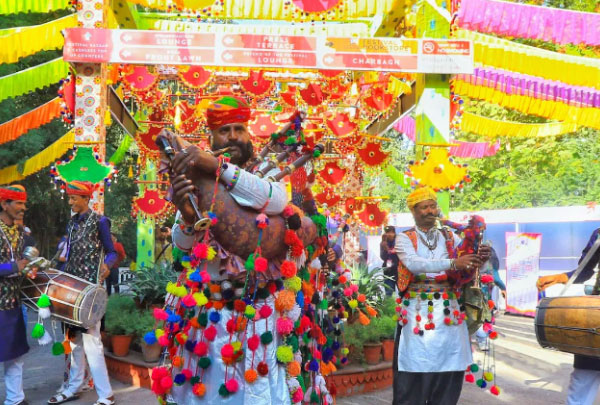
At this stage, audiences experience Rajasthani folk performances, soulful Indian classical recitals, and global fusion bands that connect India’s ancient rhythms with world beats. Imagine listening to Manganiyar musicians with their powerful voices and traditional instruments, seamlessly blending with a jazz ensemble or electronic beats from international artists. This cross-cultural performance symbolizes what JLF stands for - dialogue between tradition and modernity.
Apart from music, art installations across the venue make JLF visually stunning. Curated by contemporary Indian artists, these installations often carry themes of identity, freedom, sustainability, and innovation. Visitors are encouraged to interact with these exhibits, making art a participatory experience rather than something confined to galleries.
Film and theatre are also integral to JLF’s expansion into a multidisciplinary platform. Past editions have showcased independent cinema, documentary screenings, and theatre performances, followed by Q&A sessions with directors and playwrights. For cinephiles, this provides a chance to explore storytelling beyond the written page.
And of course, food zones form another dimension of this cultural immersion. The festival brings together authentic Rajasthani delicacies - like dal baati churma, gatte ki sabzi, and laal maas—with global cuisines that cater to international visitors. A stroll through the food stalls is a journey of flavors, from spicy street food to gourmet fusions. Sharing meals under canopies with strangers often leads to conversations as memorable as the sessions themselves.
In short, the cultural fusion at JLF transforms the festival into a carnival of senses, where every sound, color, and taste becomes a part of your literary journey.
Festival Bazaar – A Cultural Marketplace
The JLF Bazaar is one of the most vibrant aspects of the festival. While literature feeds the mind, the bazaar feeds the soul of those who love art, crafts, and collectibles. It is not just a shopping hub but a cultural marketplace that mirrors India’s rich heritage.
Stalls line up with handcrafted journals, bookmarks, and calligraphy tools, perfect for readers and writers who want to carry home memories connected to books. For those drawn to traditional arts, Rajasthani block prints, blue pottery, and miniature paintings are on display. These items are not just souvenirs but representations of centuries-old craftsmanship.
Fashion lovers find joy in shawls, jewelry, eco-friendly handbags, and handmade apparel that combine ethnic styles with modern designs. Visitors also discover stalls selling organic teas, Ayurvedic wellness products, and locally sourced spices—a reflection of India’s ancient tradition of wellness and sustainability.
Book enthusiasts, of course, find their haven in the dedicated book stalls. Here, international and Indian publishers showcase their latest releases, classics, translations, and limited editions. The most exciting part for many is purchasing signed copies from festival authors, creating lifelong keepsakes.
What makes the Festival Bazaar unique is its atmosphere. It is not a commercial shopping mall - it is a cultural fairground where artisans interact with visitors, where buying becomes a conversation, and where every item has a story behind it. For foreign tourists, it’s an opportunity not only to purchase authentic items but also to understand the human stories of craftsmanship. Supporting these artisans also means contributing to sustainable livelihoods.
Family-Friendly Activities
While many literary festivals around the world cater mostly to adults, JLF has built its reputation as an inclusive festival for all age groups. The organizers understand that literature and creativity should be nurtured early, which is why the Young Readers’ Zone has become a favorite among families.
Here, children participate in storytelling sessions, interactive games, and art workshops conducted by authors, illustrators, and educators. These sessions are designed to make literature accessible, fun, and inspiring for young minds. Parents often remark how their children return home not only entertained but also motivated to read more.
The Bookaroo Pavilion, a collaboration with India’s leading children’s literature festival, creates a mini-festival within JLF. With puppet shows, reading corners, and interactive panels, it ensures that families attending JLF do not feel excluded but instead become part of the larger celebration.
For serious readers and aspiring writers, masterclasses and workshops provide deeper engagement. These cover themes like creative writing, publishing trends, poetry recitals, and critical thinking. Unlike the open sessions, masterclasses are more intimate and interactive, allowing attendees to ask questions directly to experts.
This multi-layered approach ensures that JLF remains not just a spectator festival but a participatory cultural ecosystem where people of all ages and backgrounds feel included.
Why Jaipur is the Perfect Host
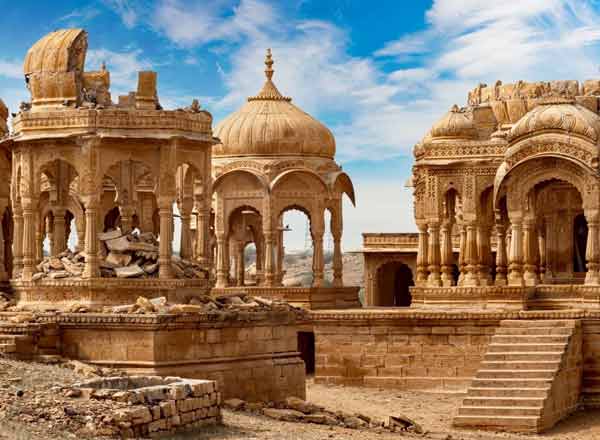
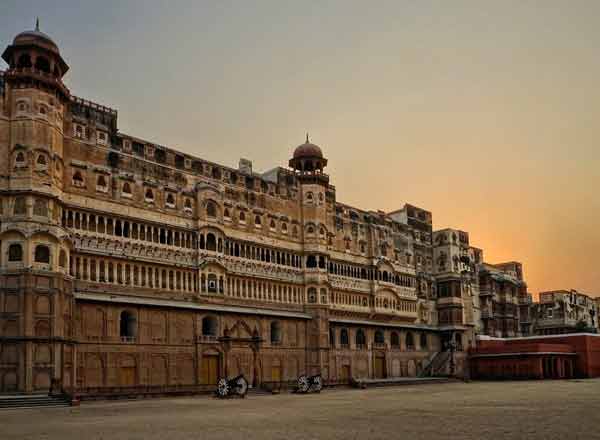
The success of the Jaipur Literature Festival is tied to its location - Jaipur, the Pink City of India. Unlike many festivals set in urban centers, JLF thrives because Jaipur itself is a living museum of heritage, culture, and hospitality.
During the five days of JLF, the city becomes an extension of the festival. Attendees often begin their mornings at festival sessions, spend afternoons exploring Jaipur’s monuments, and return for evening concerts. This seamless blend of literary and cultural tourism makes JLF unique on the global stage.
Heritage Attractions
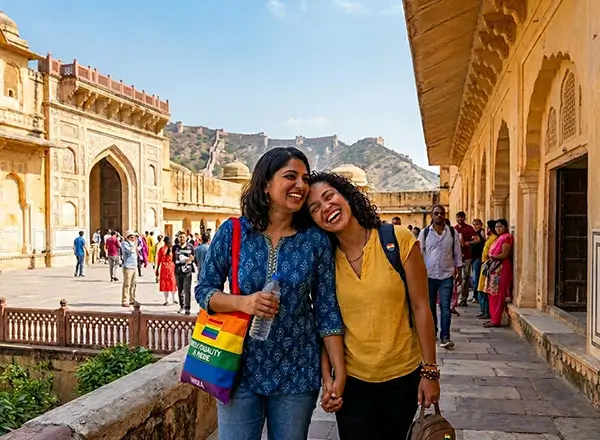
- Amber Fort: A UNESCO World Heritage Site, famous for its elephant rides, intricate architecture, and evening light shows.
- City Palace & Jantar Mantar: Offering insights into Jaipur’s royal history and astronomical brilliance.
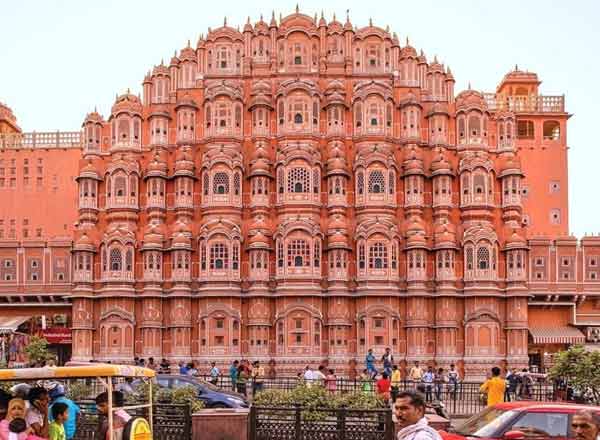
- Hawa Mahal: The Palace of Winds, an architectural wonder perfect for photography.
- Nahargarh Fort: A sunset viewpoint overlooking Jaipur’s pink-hued skyline.
Jaipur’s Bazaars
Beyond festival shopping, Jaipur’s old city bazaars offer treasures like:
- Johari Bazaar: Jewelry and gemstones.
- Tripolia Bazaar: Lac bangles and handicrafts.
- Bapu Bazaar: Colorful textiles, mojari shoes, and souvenirs.
Cuisine and Hospitality
Jaipur is also about food. Visitors indulge in Rajasthani thalis, sweets like ghewar and mawa kachori, and snacks such as pyaaz kachori. The hospitality of Rajasthani culture ensures that international tourists feel at home while experiencing something completely new.
For literature lovers, the setting of Jaipur adds depth - debating politics in the morning and exploring centuries-old forts in the afternoon creates a rare cultural synergy.
The cultural richness of JLF 2027 lies in its ability to transcend books. It is about music that stirs the soul, art that sparks conversations, food that creates connections, bazaars that preserve traditions, and a host city that embodies history and modernity.
For families, it becomes a holiday. For solo travelers, it is an adventure of ideas. For intellectuals, it is a platform of debate. And for foreign tourists, it is a window into India’s creative heart.
Attending JLF is not just about listening to authors - it’s about immersing yourself in a five-day cultural carnival where literature dances with heritage.
Travel Itinerary Options with Jaipur Literature Festival
Top Indian Holidays offers curated tours combining JLF with India’s attractions:
Option 1: Jaipur Literature Festival + Golden Triangle (6 Days)
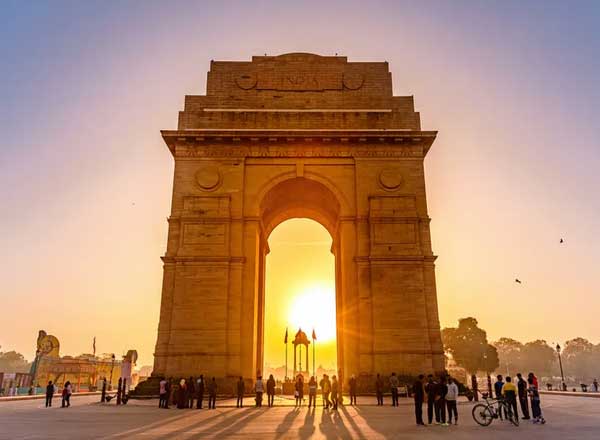
- Delhi: Qutub Minar, Humayun’s Tomb
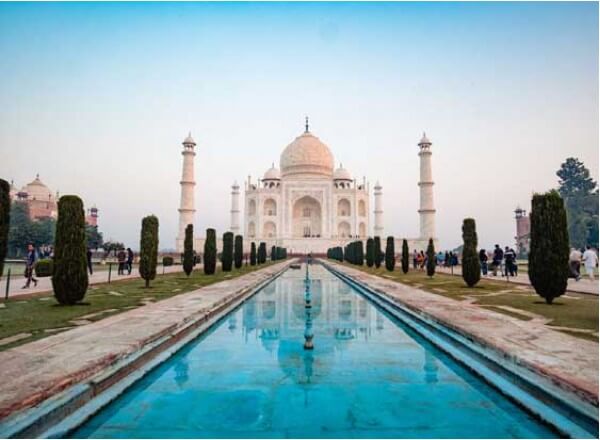
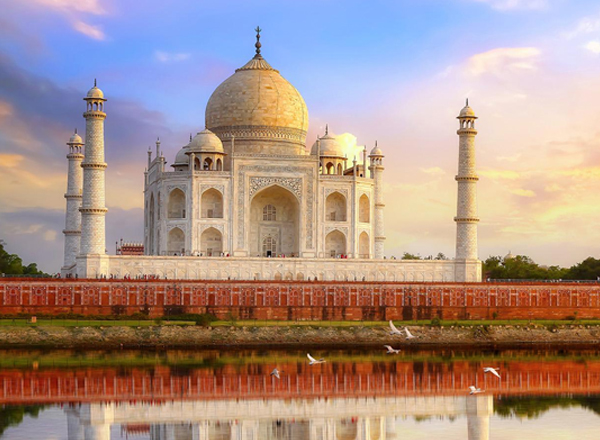
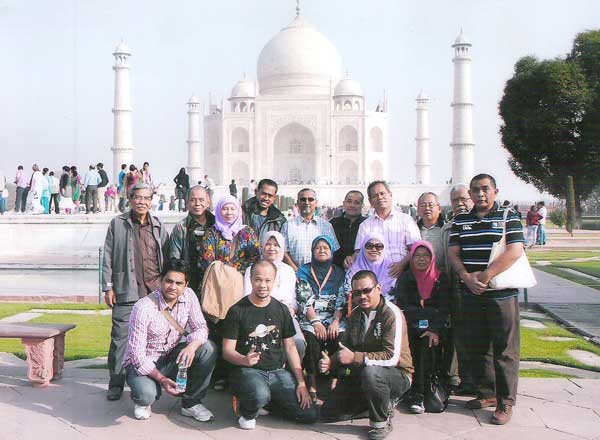
- Agra: Taj Mahal, Agra Fort
- Jaipur: Jaipur Literature Festival sessions + Amber Fort, Hawa Mahal
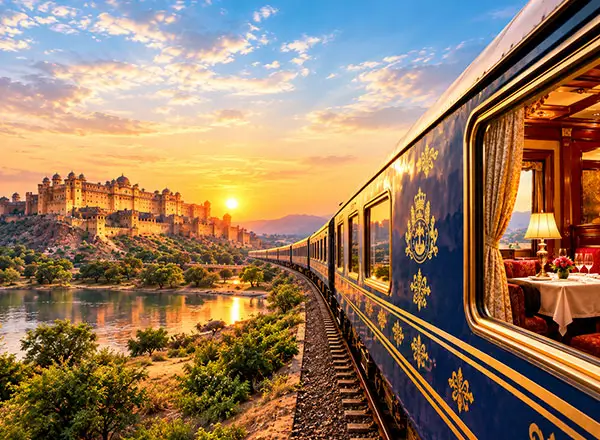
Option 2: Jaipur Literature Festival + Rajasthan Heritage (10 Days)
- Jaipur: Jaipur Literature Festival + bazaars
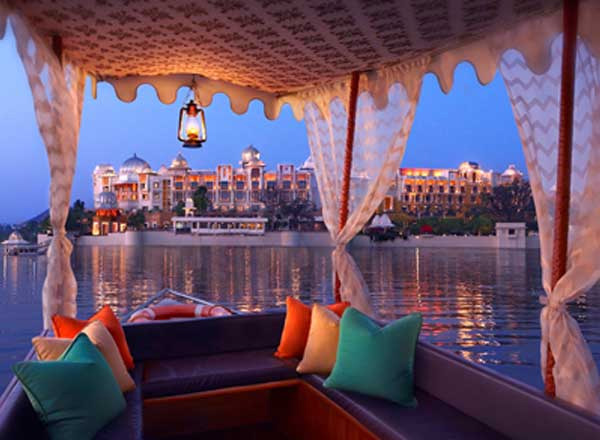
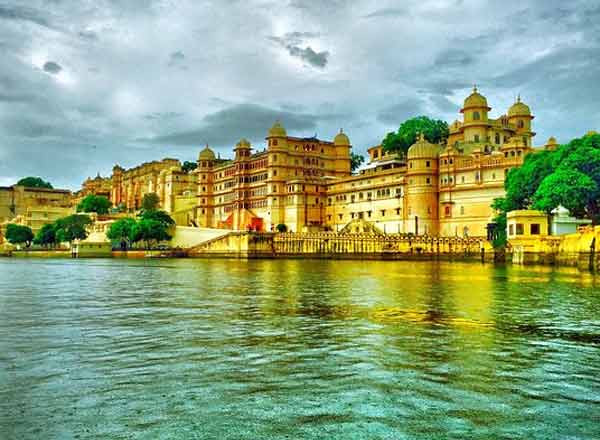
- Udaipur: Lake Palace, City Palace
- Jodhpur: Mehrangarh Fort
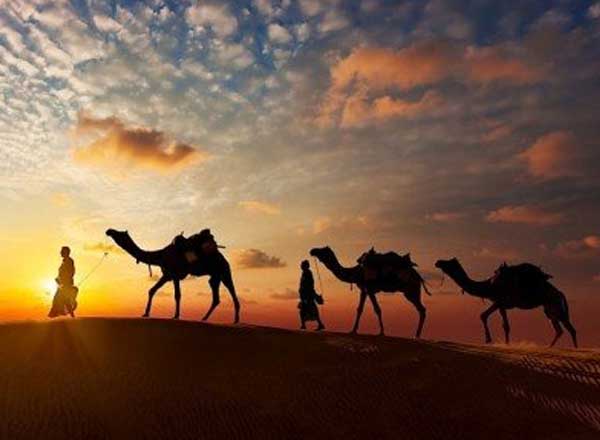
- Jaisalmer: Desert safari & golden fort
Option 3: Jaipur Literature Festival + Spiritual Wellness (8 Days)
- Jaipur: Jaipur Literature Festival
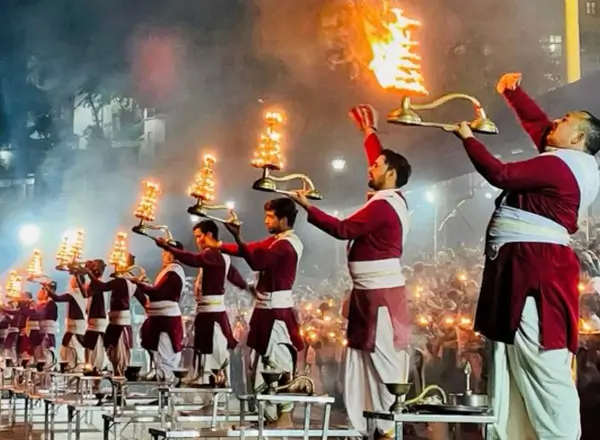
- Rishikesh: Yoga and Ganga aarti
- Kerala: Ayurveda retreat and backwaters
Option 4: Jaipur Literature Festival + Wildlife & Adventure (9 Days)
- Jaipur: Jaipur Literature Festival
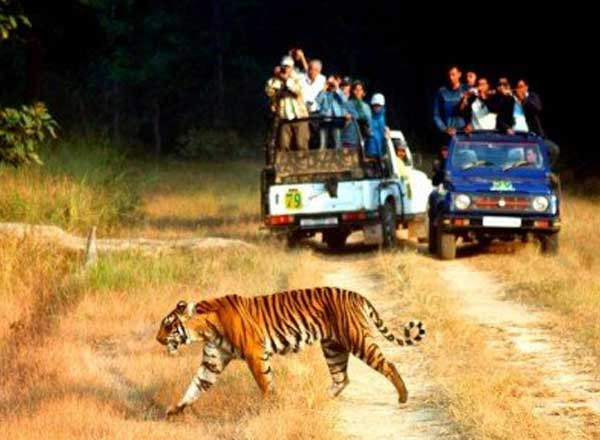
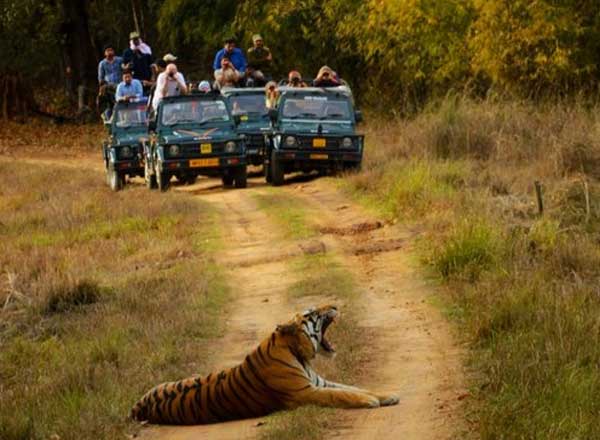
- Ranthambore: Tiger safari
- Bharatpur: Bird sanctuary
- Pushkar: Desert camping
Practical Tips for Attendees
- Registration: Free entry with pre-registration; premium packages for priority seating.
- Best Time to Arrive: Mornings, as crowds swell by afternoon.
- Weather: Light woolens needed – mornings 7–10°C, afternoons 20–22°C.
- Dress Code: Casual, layered clothing with comfortable shoes.
- Accommodation: Book hotels early; boutique havelis offer authentic stays.
- Transport: Jaipur Airport (10 km) and Railway Station (7 km) are closest.
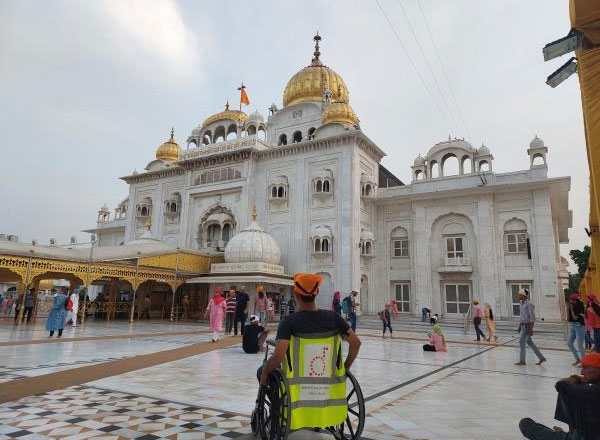
- Accessibility: Wheelchair ramps and support for differently-abled guests available.
Why Attend JLF 2027?
- Largest free literature festival in the world.
- Global representation – 70+ countries.
- Free access to debates, readings, and workshops.
- Unique blend of books, art, music, and cuisine.
- Opportunity to explore Jaipur’s royal heritage.


 info@topindianholidays.net
 +91-8955000999