Bandhavgarh National Park Travel Guide

Where the Forest Tells a Different Story Every Day

Bandhavgarh is a place where patience is rewarded. The forest rarely reveals everything at once. A distant alarm call, fresh tiger tracks across a dusty trail or the sudden movement of deer through tall grass often signals that something extraordinary may be nearby. Every safari becomes a journey shaped by nature rather than a fixed itinerary.

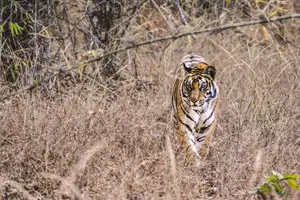
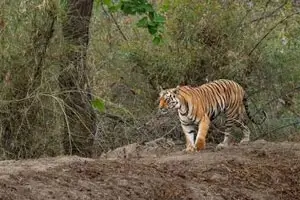
Located in the Vindhya Hills of Madhya Pradesh, Bandhavgarh National Park is recognised as one of India's finest wildlife destinations. Although it covers a smaller area than many other national parks, it is celebrated for its remarkable population of Royal Bengal Tigers and the diversity of wildlife that thrives within its forests.

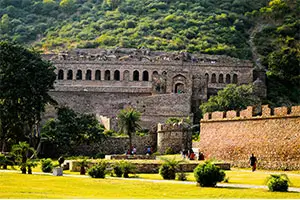
Beyond its wildlife, Bandhavgarh carries a fascinating historical legacy. Hidden among the hills are ancient caves, rock carvings and the ruins of Bandhavgarh Fort, a stronghold believed to date back more than two thousand years. This unusual combination of history and wilderness gives the park a character that few safari destinations can match.

Whether you are an experienced wildlife photographer, a first-time safari traveller or someone seeking time in nature, Bandhavgarh offers an experience that feels both exciting and deeply peaceful.


A Landscape Where Wildlife Thrives

Bandhavgarh's varied terrain creates an ideal habitat for a wide range of animals. Dense sal forests, open grasslands, bamboo groves, rocky hills and seasonal streams provide food and shelter throughout the year.

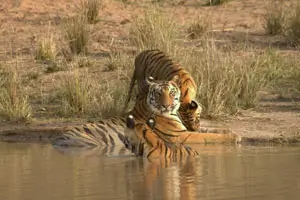
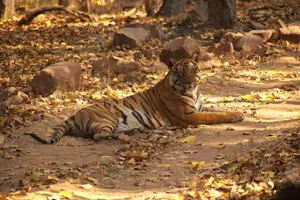
The park is especially famous for its healthy tiger population, making it one of the best places in India to observe these magnificent animals in their natural environment. While tiger sightings can never be guaranteed, the park has earned an international reputation for offering excellent wildlife viewing opportunities.

Leopards, sloth bears, wild boar, sambar deer, chital, barking deer, jackals, Indian gaur and langurs are regularly seen during safaris. More than 250 species of birds, including crested serpent eagles, paradise flycatchers and owls, also make the park a rewarding destination for birdwatchers.

Every safari offers a different perspective on the forest, with changing light, animal behaviour and seasonal landscapes ensuring that no two visits are ever the same.


The Historic Bandhavgarh Fort

Rising above the surrounding forest is the ancient Bandhavgarh Fort, one of the park's most remarkable landmarks.

According to local tradition, the fort was gifted by Lord Rama to his brother Lakshmana, giving rise to the name Bandhavgarh, meaning "Brother's Fort." Although much of the structure now stands in ruins, its temples, gateways, reservoirs and sculptures continue to reflect centuries of history.

The hill surrounding the fort also contains ancient caves, inscriptions and stone carvings that reveal the region's long cultural heritage. Together, these monuments add an unexpected historical dimension to what is primarily known as a wildlife destination.


A Safari Beyond Tiger Sightings

Many visitors arrive hoping to see a tiger, but Bandhavgarh offers much more than a single wildlife encounter.

The quiet beauty of mist-covered meadows at sunrise, herds of spotted deer grazing beneath towering sal trees, colourful birds moving through the forest canopy and the sound of peacocks calling across the valley all contribute to the experience.

Professional naturalists help visitors understand animal behaviour, forest ecology and conservation efforts, making every safari educational as well as exciting.

Luxury jungle lodges around the park complement this experience with comfortable accommodation, locally inspired cuisine and personalised hospitality that allows guests to enjoy nature without sacrificing comfort.


Best Time to Visit Bandhavgarh National Park

The park is generally open from October to June.

The months between October and February offer cool weather and lush scenery, making them ideal for wildlife enthusiasts, birdwatchers and photographers.

From March to June, vegetation becomes thinner and animals gather around water sources more frequently, increasing the chances of wildlife sightings, particularly tigers.

Since wildlife moves freely through the forest, every safari remains unique regardless of the season.


A Forest That Rewards Patience

Bandhavgarh is not defined by speed or schedules. It encourages visitors to observe carefully, listen closely and appreciate the countless details that make a healthy forest come alive.

Some travellers remember the excitement of a tiger crossing the track just metres away. Others remember the silence of the forest at sunrise or the sight of sunlight filtering through towering sal trees. Both experiences are equally valuable because they capture the true spirit of Bandhavgarh.

The attractions featured below introduce the safari zones, historic landmarks and wildlife experiences that have made Bandhavgarh National Park one of India's most respected wildlife destinations.


Major tourist spots in Bandhavgarh National Park Travel Guide

Bhandavgarh National Park

Bandhavgarh National Park is one of India's most famous wildlife sanctuaries and is renowned for having one of the highest densities of Royal Bengal Tigers in the country. Located in the Umaria district of Madhya Pradesh, the park was once the hunting reserve of the Rewa royal family before being declared a national park in 1968. Spread across lush forests, grasslands, and rocky hills, it is home to tigers, leopards, sloth bears, wild boars, sambar deer, barking deer, nilgai, and over 250 species of birds. Visitors can enjoy exciting jeep safaris, wildlife photography, and explore the ancient Bandhavgarh Fort, making Bandhavgarh National Park a perfect destination for nature lovers and adventure enthusiasts.

Tala Zone: Bandhavgarh’s Most Famous Safari Area

Tala Zone is the oldest and most recognised tourism zone in Bandhavgarh Tiger Reserve. It combines dense sal forests, bamboo-covered slopes, open meadows, ancient caves and historic monuments, creating one of the park’s most varied safari landscapes. The zone is particularly popular among wildlife photographers because its grasslands and forest tracks can provide good visibility.

Visitors may encounter spotted deer, sambar, gaur, wild boar, langurs and numerous bird species. Tigers, leopards, sloth bears and wild dogs also inhabit the area, but their sightings depend entirely on natural movement and can never be guaranteed. Alarm calls, pugmarks and the behaviour of prey animals often help experienced guides interpret nearby predator activity.

Important landmarks such as Shesh Shaiya, Badi Gufa, Chakradhara and views of Bandhavgarh Fort are associated with the Tala landscape. However, the exact safari route is decided by park authorities and may not cover every landmark during one drive.

Safari permits should be reserved through the authorised Madhya Pradesh Forest Department booking system. Visitors must also pay separately for the registered vehicle and guide according to current rules. Morning and afternoon safaris offer different lighting and wildlife activity, so travellers staying for at least three nights should consider booking multiple drives across different Bandhavgarh zones.

Chakradhara Meadow: A Scenic Wildlife-Watching Landscape

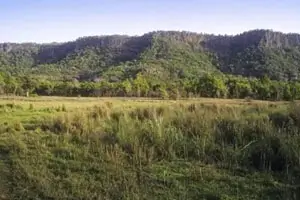
Chakradhara is one of the best-known meadow areas within Bandhavgarh’s Tala Zone. Surrounded by forested hills, the open grassland provides an attractive setting for observing herbivores and interpreting the movements of predators within the wider landscape.

Spotted deer, sambar, wild boar and langurs may be seen feeding or moving around the meadow. Tigers have historically used the surrounding forest and grassland edges, which has made Chakradhara popular among guides and wildlife photographers. However, it should never be described as a guaranteed tiger-sighting point. Weather, prey movement, human activity and the natural behaviour of individual animals influence every safari.

The meadow also offers excellent photographic views, particularly during the soft light of early morning or late afternoon. Its contrast of golden grass, dense forest and the hills around Bandhavgarh captures the visual character of the reserve.

Chakradhara can only be visited when it falls within the authorised route allocated to a safari vehicle. Visitors cannot leave the vehicle or explore the meadow independently. Remaining quiet and listening to the guide can make the experience more rewarding, even when no large predator appears. Chakradhara represents Bandhavgarh at its most distinctive—a landscape where wildlife, forest, meadow and ancient history exist within the same protected environment.

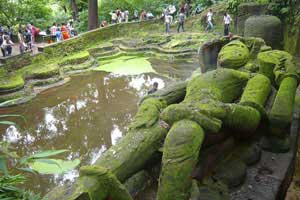
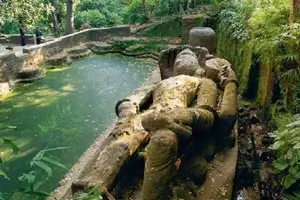
Shesh Shaiya: The Ancient Reclining Vishnu Statue

Shesh Shaiya is one of the most important archaeological and spiritual landmarks inside Bandhavgarh Tiger Reserve. The site features an ancient stone sculpture of Lord Vishnu reclining on the seven-hooded serpent Shesh Nag. The surrounding forest, natural spring and shaded setting give the location a peaceful atmosphere that contrasts with the excitement of a tiger safari.

Local tradition connects the nearby water source with the origin of the Charanganga River, an important stream within the Bandhavgarh landscape. The site reflects the region’s long cultural history and demonstrates that Bandhavgarh is more than a wildlife destination.

Shesh Shaiya is situated within the Tala Zone and may be included on certain authorised safari routes. Access depends on current Forest Department regulations, road conditions and the route assigned to the vehicle. Travellers should not assume that every Tala safari will automatically stop at the site.

Visitors must follow their guide’s instructions because the monument lies inside an active tiger reserve. Photography may be permitted from designated areas, but wildlife and heritage-protection rules take priority. Shesh Shaiya is especially valuable for travellers interested in archaeology, Hindu heritage and nature. It brings Bandhavgarh’s spiritual and ecological identities together, offering an experience that remains memorable even without a major wildlife sighting.

Bandhavgarh Fort: The Historic Landmark Above the Forest

Bandhavgarh Fort stands on a high plateau overlooking the forests, valleys and grasslands of the tiger reserve. The name Bandhavgarh is traditionally interpreted as “Brother’s Fort” and is connected in local legend with Lord Rama and his brother Lakshmana. Over different periods, the region was associated with several ruling dynasties and later formed part of the princely state of Rewa.

The fort landscape contains ruined structures, temples, reservoirs, caves, sculptures and inscriptions that reflect Bandhavgarh’s long human history. Its elevated position once provided strategic views across the surrounding country and today remains an important symbol of the national park.

Public access to Bandhavgarh Fort has been restricted during various periods for wildlife conservation, safety and archaeological protection. Travellers should not rely on older blogs that describe an unrestricted trek to the summit. Current access must be confirmed directly with the Forest Department before the visit.

Even when entry to the fort itself is unavailable, visitors may see the plateau and sections of the historic landscape from authorised routes in the Tala Zone. Guides can explain its legends and former importance during the safari. Bandhavgarh Fort adds considerable cultural value to the destination, showing how royal history, sacred traditions and wildlife conservation have shaped the same landscape over centuries.

Badi Gufa: One of Bandhavgarh’s Largest Ancient Caves

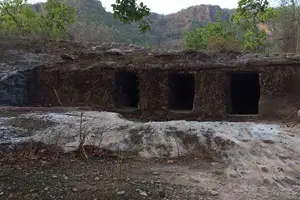
Badi Gufa, meaning “large cave,” is one of the most notable archaeological features within Bandhavgarh National Park. Carved into sandstone, the cave is commonly associated with the medieval period and contains a broad entrance, pillars and several interior chambers. It is believed to have served as a shelter for soldiers, travellers or people connected with the rulers of Bandhavgarh.

The cave forms part of a much larger network of rock-cut shelters and ancient remains located around Bandhavgarh Hill. Some caves in the wider landscape contain inscriptions or carved figures, revealing that people occupied and used this region long before it became a protected tiger reserve.

Badi Gufa is located within the Tala Zone and can only be approached when permitted as part of an authorised safari route. Access arrangements may change due to wildlife movement, road conditions, archaeological protection or Forest Department decisions. Visitors should remain with their assigned guide and must never enter restricted spaces independently.

The surrounding area can also support bats, reptiles and larger wild animals. Silence and caution are therefore essential. Badi Gufa is particularly interesting for travellers who want to understand Bandhavgarh beyond tiger sightings. It demonstrates how natural rock formations were adapted for human use and how archaeological remains have become integrated into the modern forest ecosystem.

Three Cave Point: Ancient Carvings Inside the Tiger Reserve

Three Cave Point is a fascinating archaeological feature within the Bandhavgarh forest. Located along an authorised safari route, the site consists of ancient rock-cut caves surrounded by thick vegetation. The caves and their weathered carvings provide evidence of the people who once occupied or travelled through this historic landscape.

Today, the area is also part of an active wildlife habitat. Caves and rocky formations may provide shelter for bats, reptiles and occasionally larger animals such as leopards, sloth bears or tigers. Visitors must therefore remain inside the safari vehicle and follow every instruction given by the naturalist and driver.

Three Cave Point is not an independent attraction with unrestricted entry. Whether visitors see it depends on the safari zone, assigned route, wildlife conditions and regulations applied by the Forest Department. Stopping time may also be limited to avoid disturbing animals.

The attraction is especially valuable because it brings Bandhavgarh’s archaeological and ecological stories together. Visitors can observe how ancient man-made structures have gradually become part of the natural forest environment. Good binoculars and a camera with a moderate zoom can help travellers view details without approaching restricted areas. Three Cave Point may be physically smaller than Bandhavgarh Fort or Shesh Shaiya, but it contributes important historical context to a wildlife safari through the Tala landscape.

Magadhi Zone: Forests, Meadows and Wildlife Safaris

Magadhi Zone is one of the three principal core tourism zones of Bandhavgarh Tiger Reserve. Located next to the better-known Tala Zone, it contains sal forests, bamboo growth, grasslands and seasonal water sources that support a rich variety of wildlife.

Visitors may observe spotted deer, sambar, gaur, wild boar, langurs and several species of birds. Tigers, leopards, sloth bears and wild dogs also use this landscape, although sightings remain unpredictable. Naturalists rely on pugmarks, alarm calls and prey behaviour to interpret animal movement during the safari.

Magadhi can be a useful choice when Tala permits are unavailable, but it should not be treated merely as a second option. Its quieter tracks and varied habitats can produce rewarding wildlife experiences. Booking drives in both Tala and Magadhi also allows travellers to see different parts of the reserve rather than repeatedly following similar routes.

Entry requires an authorised permit, registered safari vehicle and assigned guide. The applicable entrance gate and reporting instructions must be checked carefully when selecting accommodation. Staying far from the assigned gate can lead to difficult early-morning transfers.

Travellers should reserve permits well in advance, especially during peak wildlife season. Magadhi Zone is best appreciated as a complete forest experience where landscapes, birds, herbivores and signs of predators are as important as a direct tiger sighting.

Khitauli Zone: A Quieter Side of Bandhavgarh

Khitauli Zone offers visitors another perspective on the Bandhavgarh Tiger Reserve. Its landscape includes dry deciduous forests, bamboo, open patches, rocky areas and seasonal water sources. The zone is often valued by experienced wildlife travellers who want to explore beyond the heavily requested Tala routes.

Khitauli supports a wide range of animals, including spotted deer, sambar, nilgai, wild boar, langurs and gaur. Predators such as tigers and leopards may also be present, while sightings of sloth bears and wild dogs are possible depending on natural movement and seasonal conditions. The zone is also rewarding for birdwatchers, particularly visitors willing to observe smaller species rather than focusing only on big cats.

Fewer famous archaeological landmarks are associated with Khitauli than with Tala, but its quieter forest atmosphere can create a more immersive safari. Wildlife sightings cannot be promised in any zone, and the quality of the experience depends greatly on patience, responsible behaviour and the knowledge of the assigned guide.

Visitors require a valid Forest Department permit, registered vehicle and authorised guide. The chosen lodge should be reasonably close to the correct entrance gate. Including Khitauli alongside Tala and Magadhi over a multi-night stay provides a broader understanding of Bandhavgarh’s different habitats and improves the overall wildlife experience.

Frequently Asked Questions

Do Not Miss Out On The Best-Discounted Deals For Our Top India Tour Packages.

Fill out this form with all the required information. Within 12 hours, we will provide you with a tailor-made itinerary at the best price.

Free, no-obligation quote — We'll send a personalised itinerary within 12 hours at the best price.

Nand Singh Rathore
Nand Singh
Rathore
Travel Expert
27+ yrs experience
Free Personal Consultation

Confused About Your
India Itinerary?

Whether you're planning your first India trip or returning to explore deeper — get honest, expert advice from someone who knows every corner of this country. No pressure, no cost.

No Obligation
100% Free Advice
Response in 12 hrs
Private & Custom Tours