📅 Last Updated On: 29 Apr 2026
⏱ 10 Min Read
Photography Travel Guide to North East India: Landscapes, Tribes and Himalayan Views
A
Admin
Founder -India Travel Expert
Photography Travel Guide to North East India
North East India remains one of the most visually captivating regions in Asia. Towering Himalayan peaks, deep forest valleys, dramatic waterfalls and vibrant tribal cultures create an environment where every journey feels like a photographic expedition. For travelers who see the world through a camera lens, North East India photography travel offers an extraordinary opportunity to capture landscapes and cultures that remain largely untouched by mass tourism.
Unlike many popular travel destinations where photography locations have become crowded and predictable, the landscapes of North East India continue to retain a sense of raw authenticity. Morning mist rolling across mountain valleys, sunlight breaking through dense bamboo forests and distant monasteries perched on cliffs provide photographers with endless creative possibilities.
The diversity of the region also means that photographers encounter multiple environments within a single journey. Wetlands and grasslands in Assam provide exceptional wildlife photography opportunities. The dramatic cliffs and waterfalls of Meghalaya create powerful landscape compositions. Meanwhile, the high-altitude Himalayan views of Sikkim and Arunachal Pradesh offer breathtaking mountain scenery.
For travelers interested in nature photography in North East India, the region rewards patience and exploration. Remote villages reveal traditional lifestyles rarely seen in modern urban environments, while dense forests host rare birds and wildlife species.
Travel planners at Top Indian Holidays frequently organize private North East India photography tours that allow travelers to explore the most scenic locations with comfortable transportation and local expertise.
The Visual Diversity of North East India
The visual richness of North East India is one of the primary reasons photographers are drawn to the region. Within relatively short travel distances, landscapes shift dramatically from river valleys and wetlands to dense tropical forests and snow-covered mountains.
Assam, located in the fertile Brahmaputra Valley, offers wide open landscapes filled with tea plantations, wetlands and grasslands. Early morning fog rising above tea gardens creates atmospheric scenes that photographers often find irresistible. Wildlife reserves such as Kaziranga National Park provide opportunities to photograph rare animals including the one-horned rhinoceros.
Moving toward Meghalaya, the terrain changes into rolling hills and dramatic cliffs. Waterfalls plunge from high plateaus into deep valleys, creating powerful compositions for landscape photography. During monsoon months, countless waterfalls appear across the region, transforming the hills into one of the most photogenic environments in India.
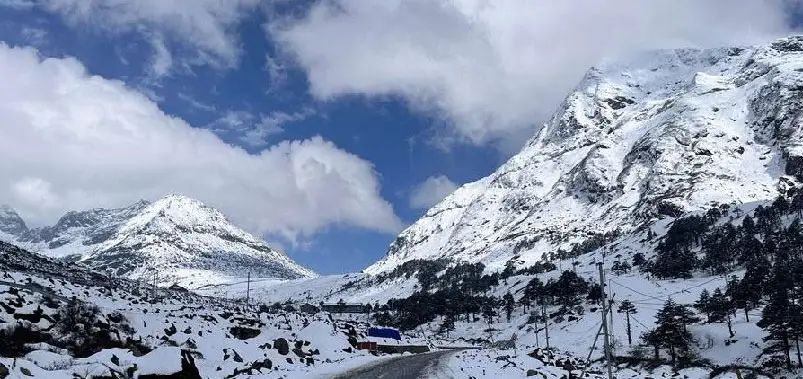
Further north in Sikkim and Arunachal Pradesh, photographers encounter the towering peaks of the Eastern Himalayas. Snow-capped mountains, alpine lakes and colorful Buddhist monasteries create scenes that feel almost cinematic in their beauty.
This extraordinary diversity makes North East India landscape photography one of the most rewarding experiences for travelers seeking dramatic natural imagery.
Plan Your Photography Journey to North East India
Capture misty mountains, tribal cultures, and breathtaking Himalayan views with a customized private tour.
Photographing Tea Gardens and Rural Landscapes in Assam
Tea plantations represent one of the most iconic photographic subjects in North East India. Vast green estates stretch across gentle hills, forming geometric patterns that appear especially striking when viewed from elevated viewpoints.
Early morning remains the most magical time for photography in these landscapes. Soft light illuminates the tea bushes while mist rises slowly from the valley floors. Workers moving through the plantations carrying baskets of freshly picked tea leaves create compelling human elements within the composition.
Photographers exploring Assam photography locations often find that tea gardens provide endless creative opportunities. Wide-angle lenses capture the sweeping patterns of cultivated hillsides, while telephoto lenses highlight the details of daily life within the plantations.
Many North East India photography tours include visits to tea estates where travelers can observe plantation life while capturing some of the most recognizable landscapes of the region.
Waterfalls and Dramatic Cliffs of Meghalaya
Meghalaya has earned a reputation as one of the most dramatic landscapes in India. The state receives heavy rainfall, creating countless waterfalls that cascade from high plateaus into deep valleys.
Cherrapunji and nearby regions offer some of the most spectacular photography opportunities. Waterfalls plunge hundreds of meters down cliffs, often surrounded by clouds drifting across the valley. During the monsoon season, the landscape transforms into a paradise of mist and flowing water.
Photographers exploring Meghalaya landscape photography frequently experiment with long exposure techniques to capture the movement of waterfalls and rivers. The constantly changing weather conditions add an unpredictable element that can produce remarkable atmospheric images.
Beyond waterfalls, the living root bridges created by local communities provide another fascinating subject. These natural bridges, formed from the roots of rubber trees, represent a unique blend of engineering and environmental harmony.
Travelers interested in North East India nature photography often consider Meghalaya one of the most rewarding destinations in the region.
Himalayan Photography in Sikkim
The Himalayan landscapes of Sikkim offer a completely different visual experience compared with the valleys of Assam or Meghalaya. Towering mountain peaks dominate the horizon while monasteries and prayer flags add cultural depth to the scenery.
One of the most famous photography locations in Sikkim is the viewpoint overlooking Mount Kanchenjunga. At sunrise, the mountain glows with soft golden light while clouds drift through the valleys below. This dramatic scene attracts photographers seeking classic Himalayan imagery.
Buddhist monasteries across the region also provide compelling photographic subjects. Colorful murals, traditional architecture and monks performing daily rituals create opportunities for cultural photography that feels deeply authentic.
Travelers exploring Himalayan photography in North East India often find that Sikkim offers a perfect combination of mountain landscapes and spiritual heritage.
Tribal Culture and Portrait Photography
North East India is home to hundreds of indigenous communities whose traditions remain closely connected to the land. For photographers interested in portrait and cultural photography, the region offers unique opportunities to document traditional lifestyles.
Village markets, festivals and community gatherings reveal vibrant clothing, handcrafted jewelry and traditional architecture. Portrait photography in these environments requires sensitivity and respect for local customs, but the results can be deeply rewarding.
Many photographers discover that the most meaningful images come from genuine interactions with local communities. Conversations with villagers, artisans and farmers often lead to spontaneous moments that capture the spirit of the region.
Travel planners organizing private North East India photography tours frequently arrange cultural visits that allow photographers to experience village life respectfully.
Ready to Capture North East India Like a Pro?
From sunrise in Tawang to misty valleys of Meghalaya — travel with local experts and never miss the perfect shot.
Wildlife Photography in Assam
Wildlife photographers visiting North East India are often drawn to Kaziranga National Park, one of the most biologically diverse wildlife reserves in Asia. The park’s wetlands and grasslands support numerous species including elephants, deer, water buffalo and the rare one-horned rhinoceros.
Early morning safaris provide the best opportunities for wildlife photography. Soft light and cooler temperatures encourage animals to move across open grasslands where photographers can capture dynamic scenes.
Birdwatchers also find Kaziranga fascinating, as the park hosts hundreds of bird species that migrate through the region during different seasons.
For travelers seeking North East India wildlife photography, Kaziranga remains one of the most rewarding destinations in the region.
Planning a Photography Journey Through the Region
Photographing North East India requires thoughtful planning due to the region’s diverse landscapes and remote travel routes. Weather conditions, travel distances and seasonal changes can all influence photographic opportunities.
Many photographers prefer traveling through private North East India tours with driver, allowing them to reach scenic locations comfortably while having flexibility to stop for photographs along the way.
Experienced travel planners help photographers identify the best viewpoints, cultural locations and wildlife reserves based on their interests. Carefully designed itineraries allow travelers to capture a wide range of images while enjoying a relaxed pace of travel.
For photographers seeking a seamless journey across the Eastern Himalayas, personalized travel planning is available through:
Top Indian Holidays Pvt. Ltd.
Gmail: info@topindianholidays.net
Call/WhatsApp: +91-9828085426
Contact Person: Mr. Nand Singh Rathore



 info@topindianholidays.net
 +91-8955000999